
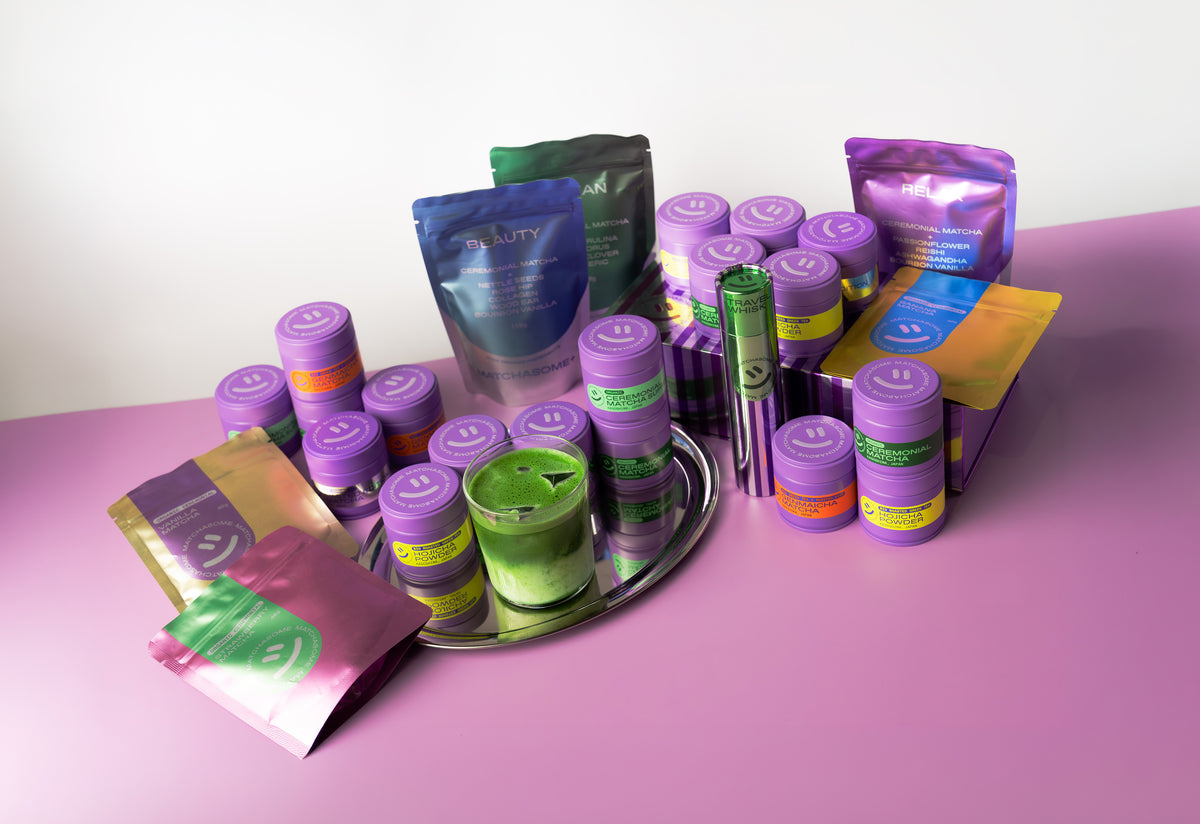

Pure Matcha
Whether you’re whisking at home, pausing for a quiet moment between chaos and calm, or sipping on the run, our matcha is made for you. Four hand-selected varieties, zero BS. Certified organic.
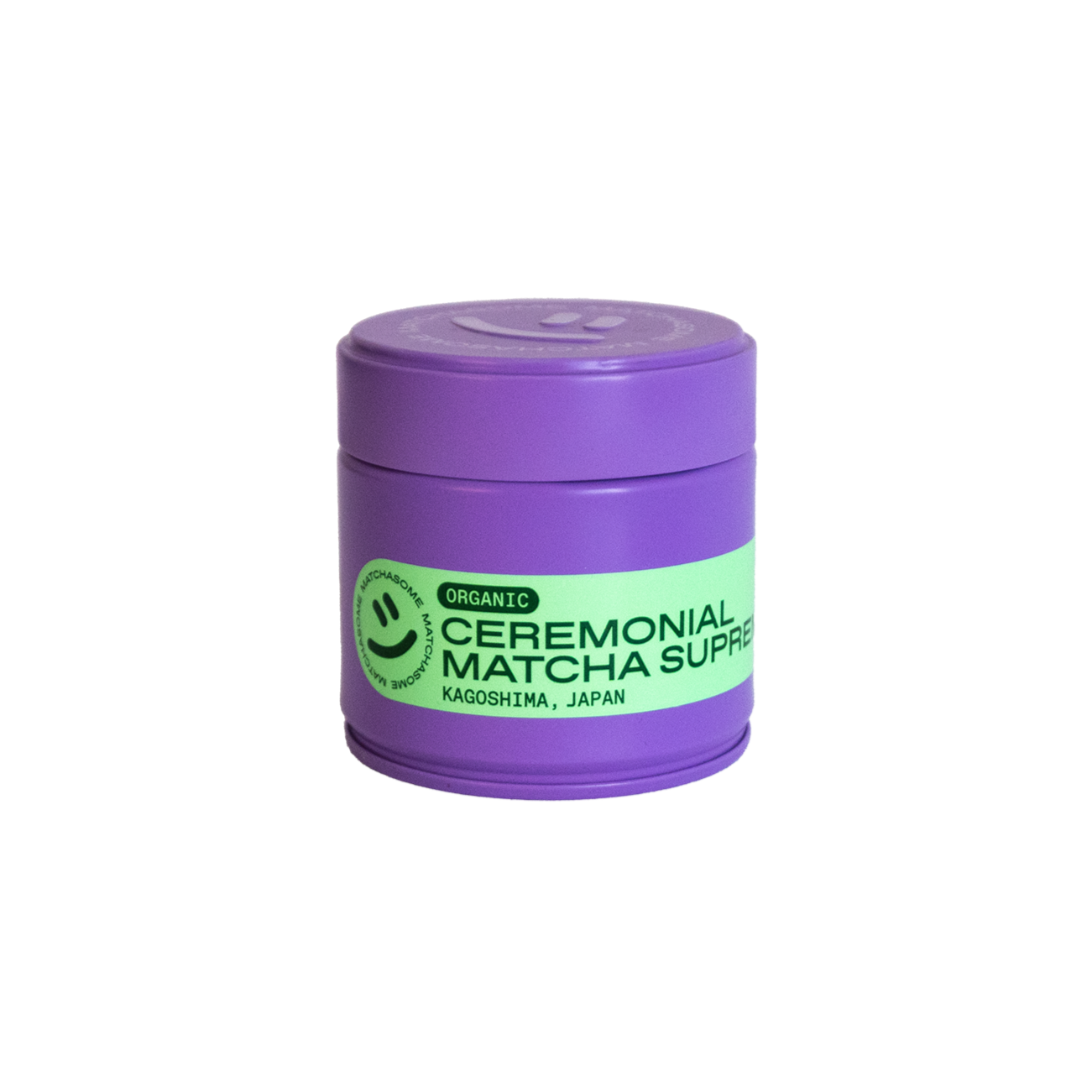
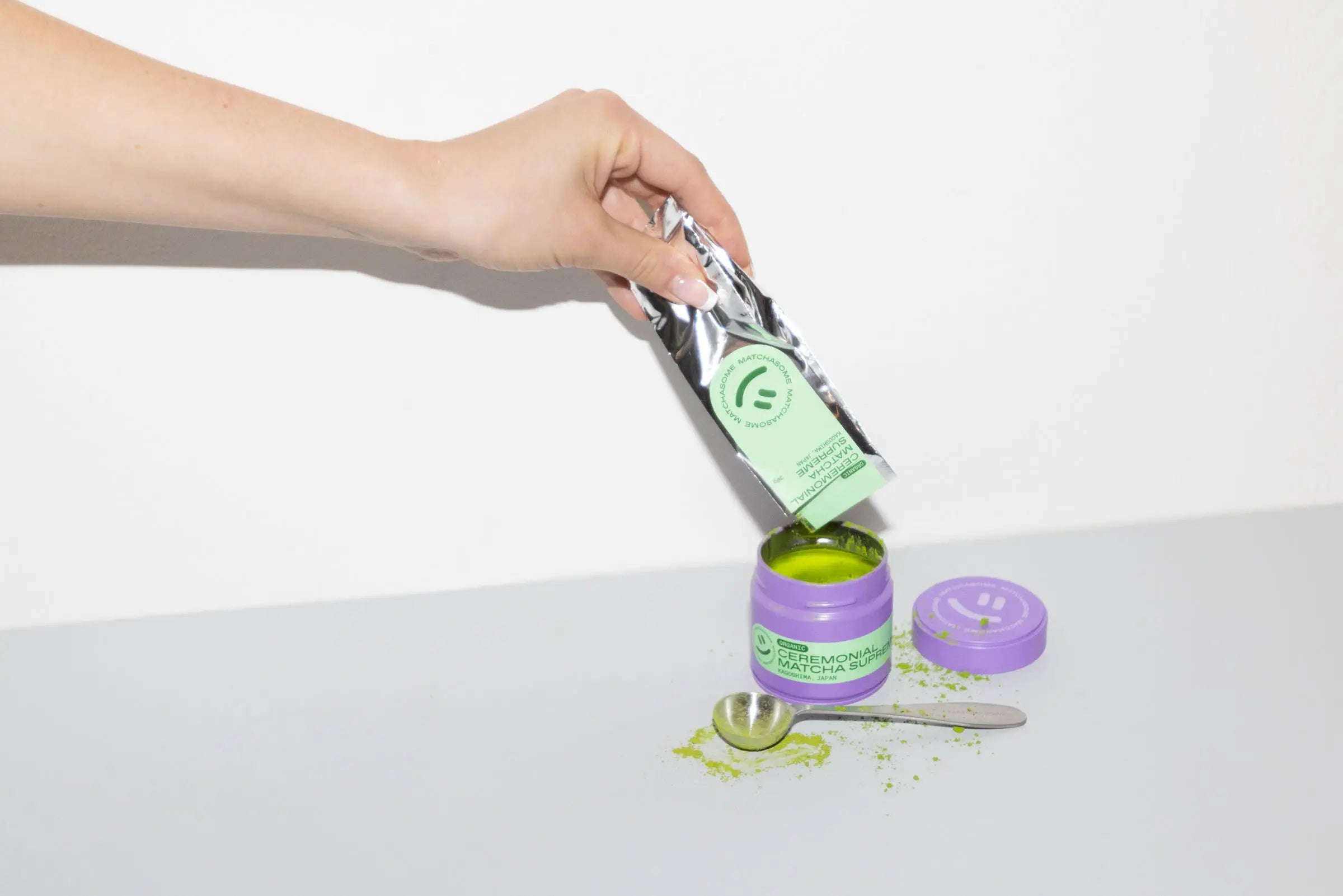
Organic Ceremonial Matcha Supreme 30g
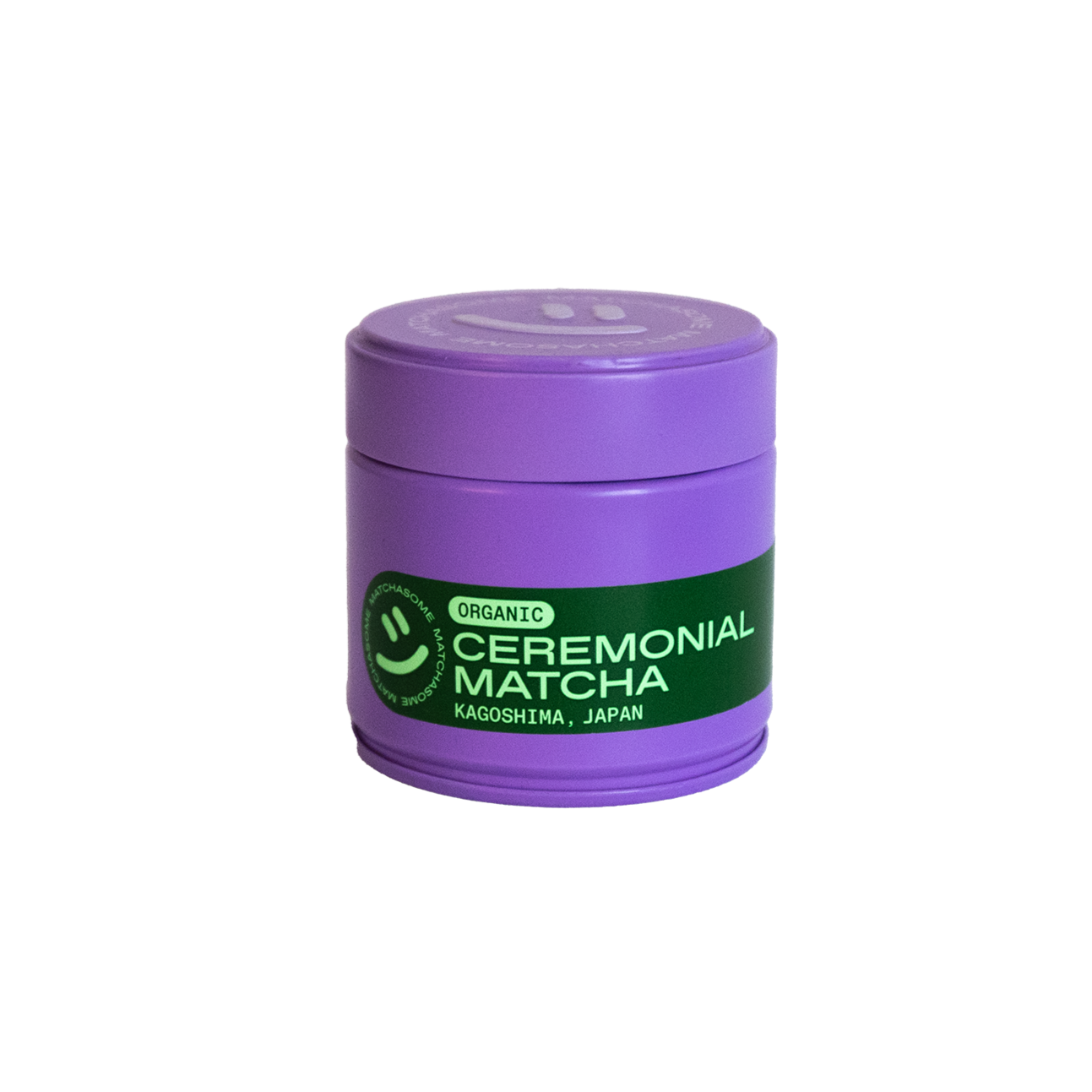
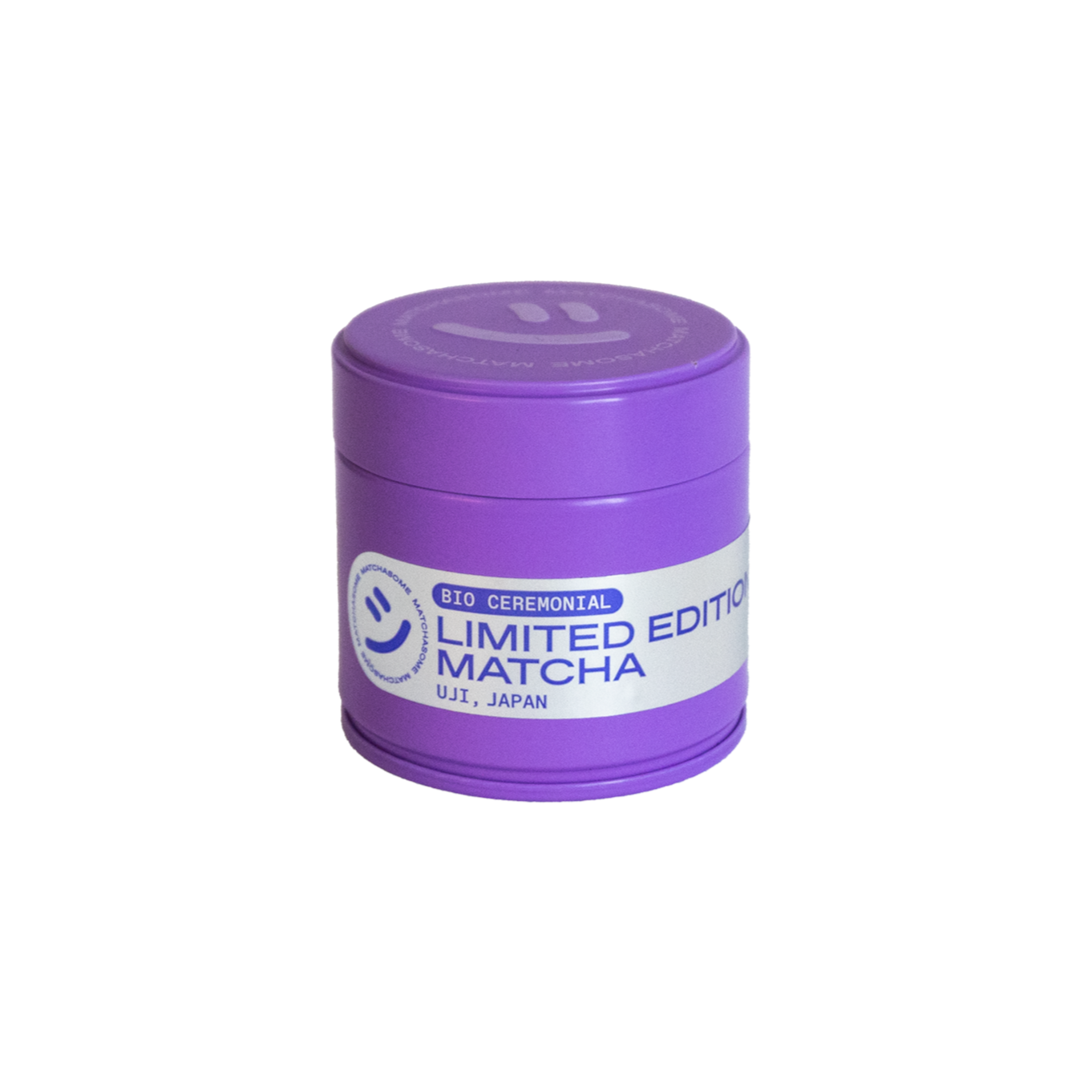
Organic Ceremonial Limited Edition Uji Matcha 30g
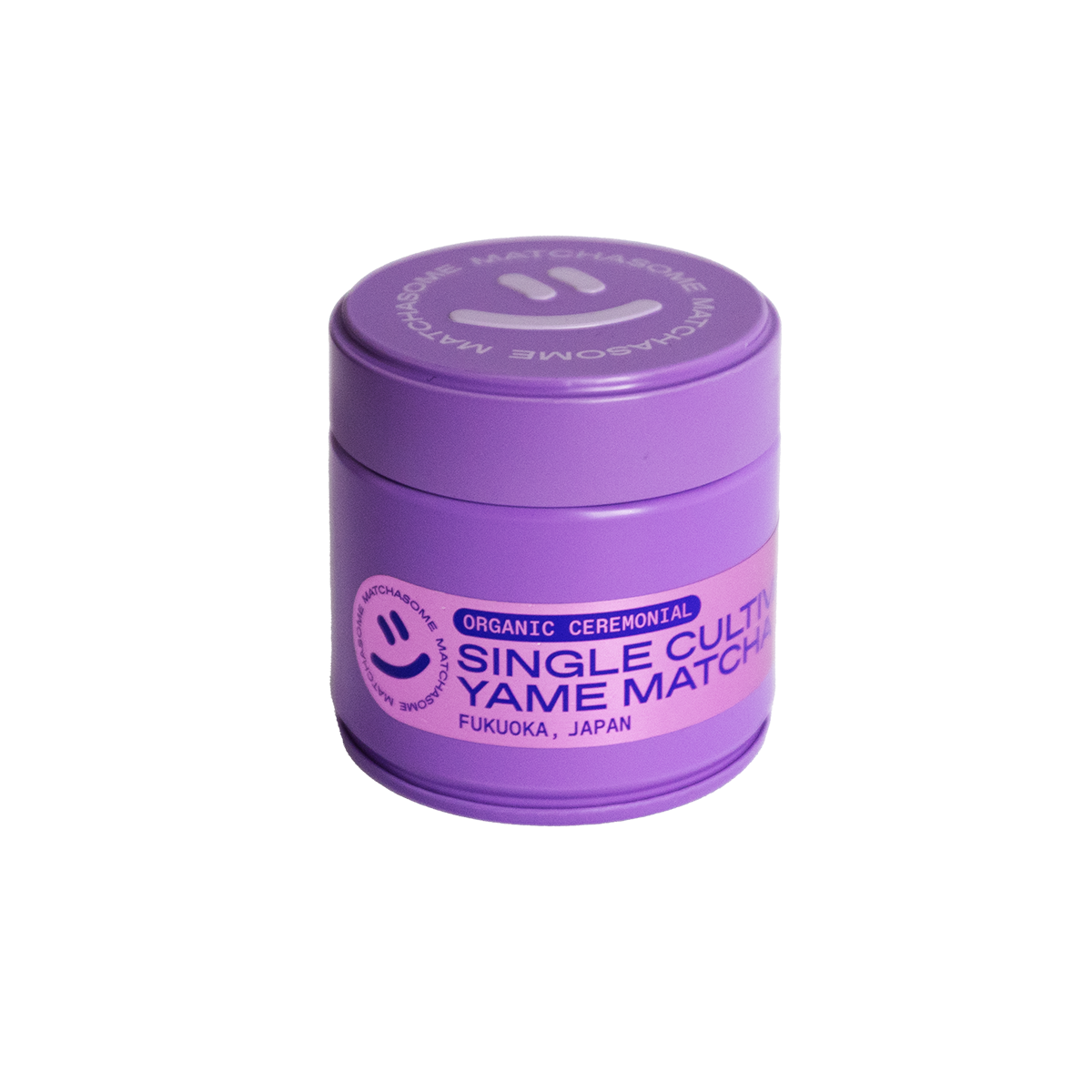
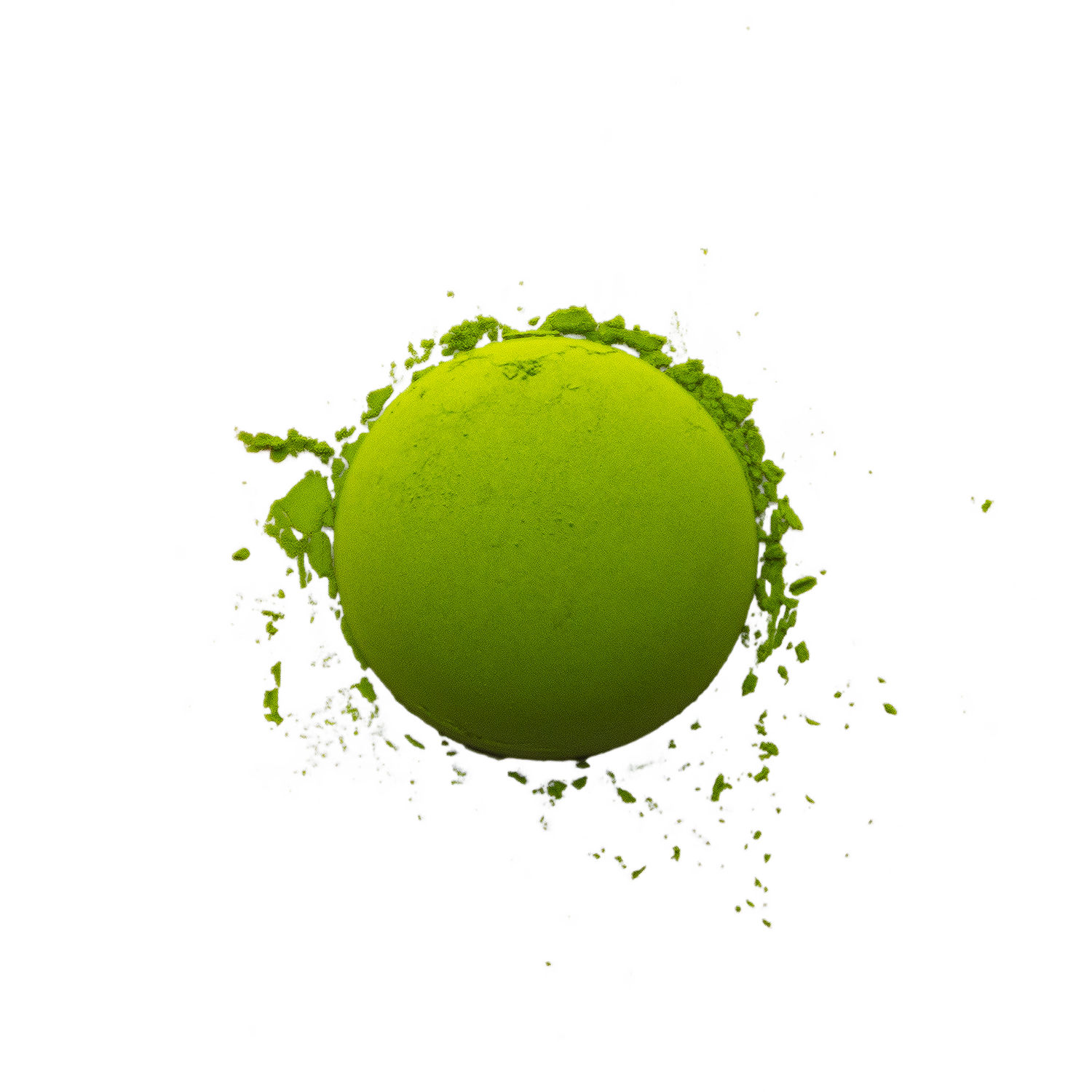
Organic Ceremonial Single Cultivar Yame Matcha 30g
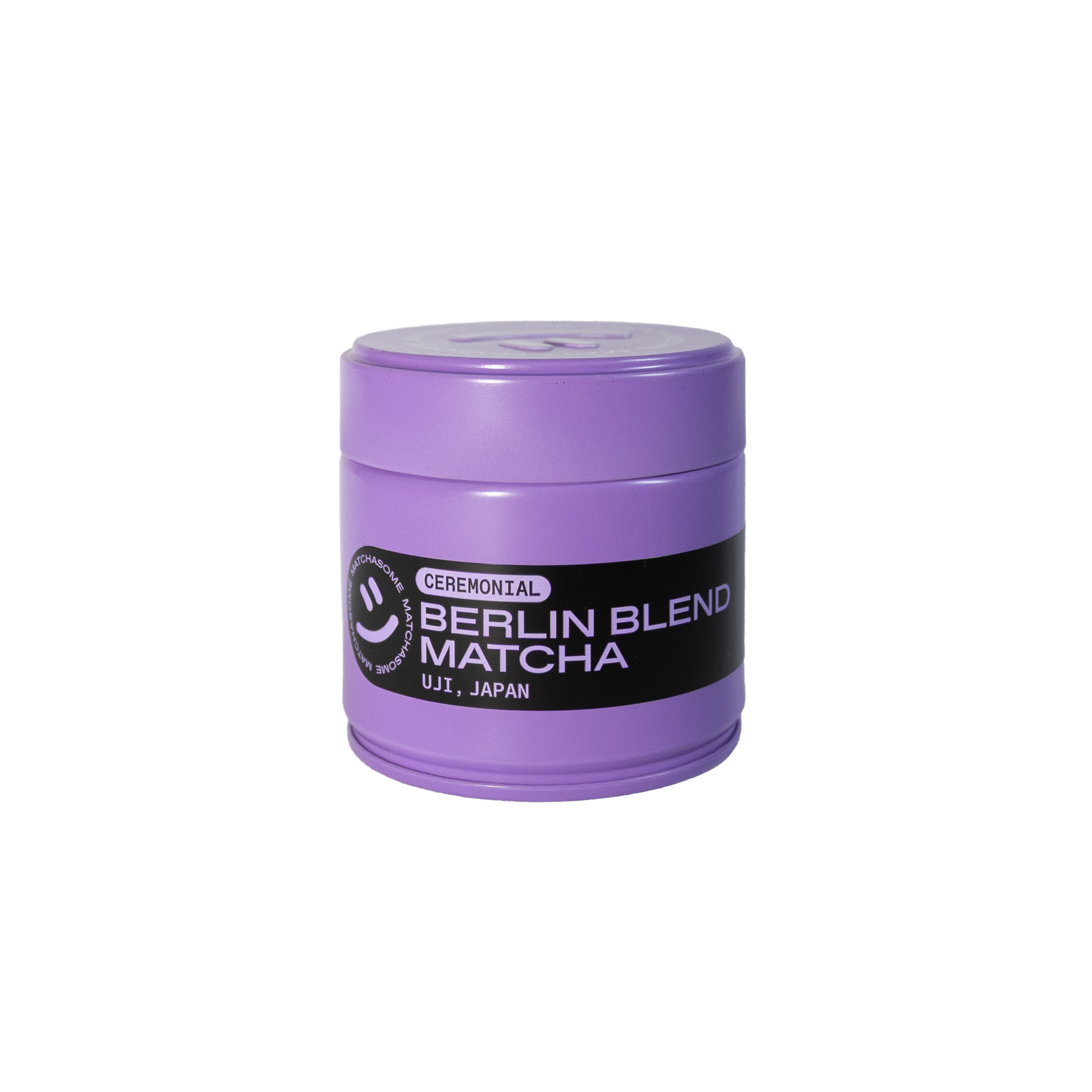
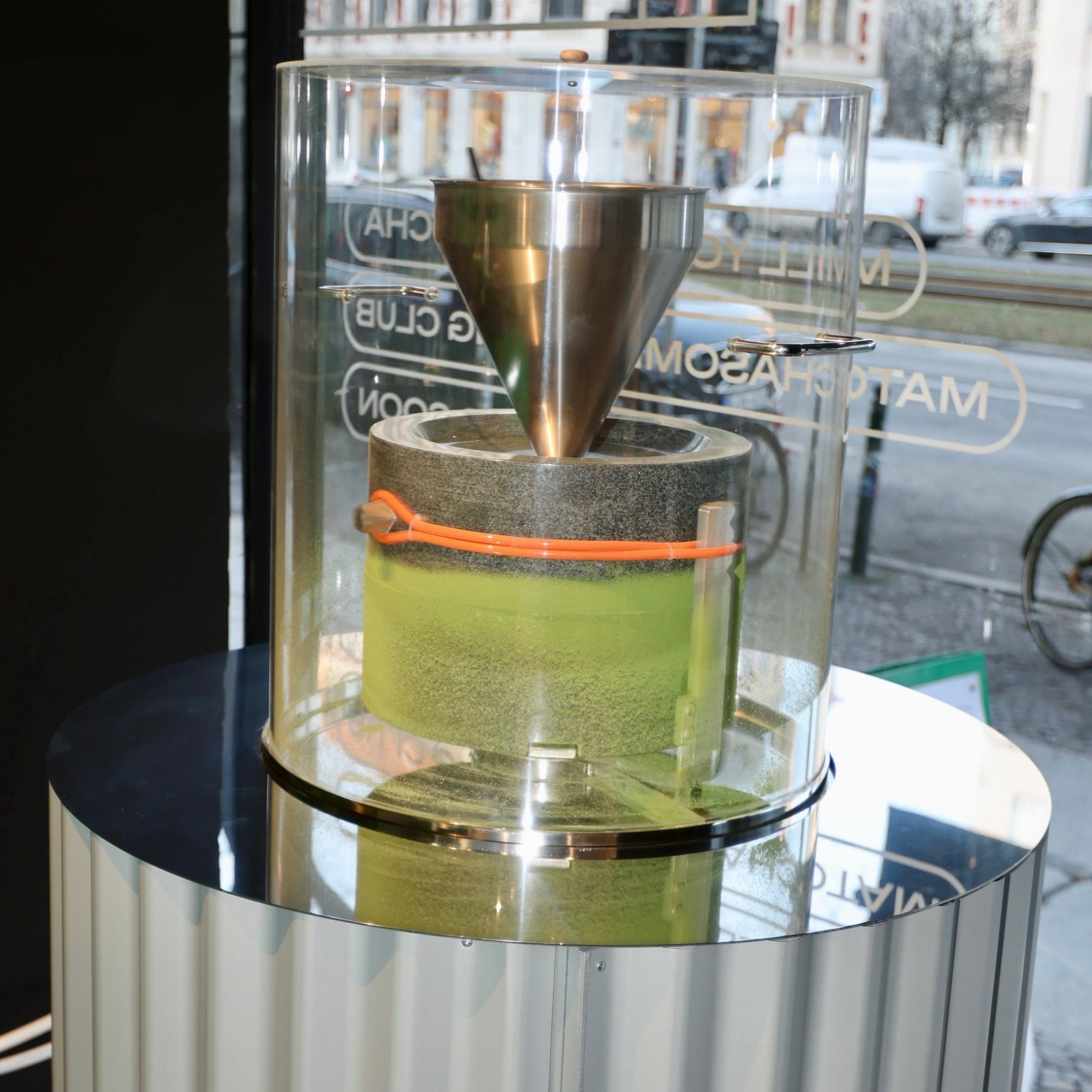
Ceremonial Berlin Blend Matcha 30g
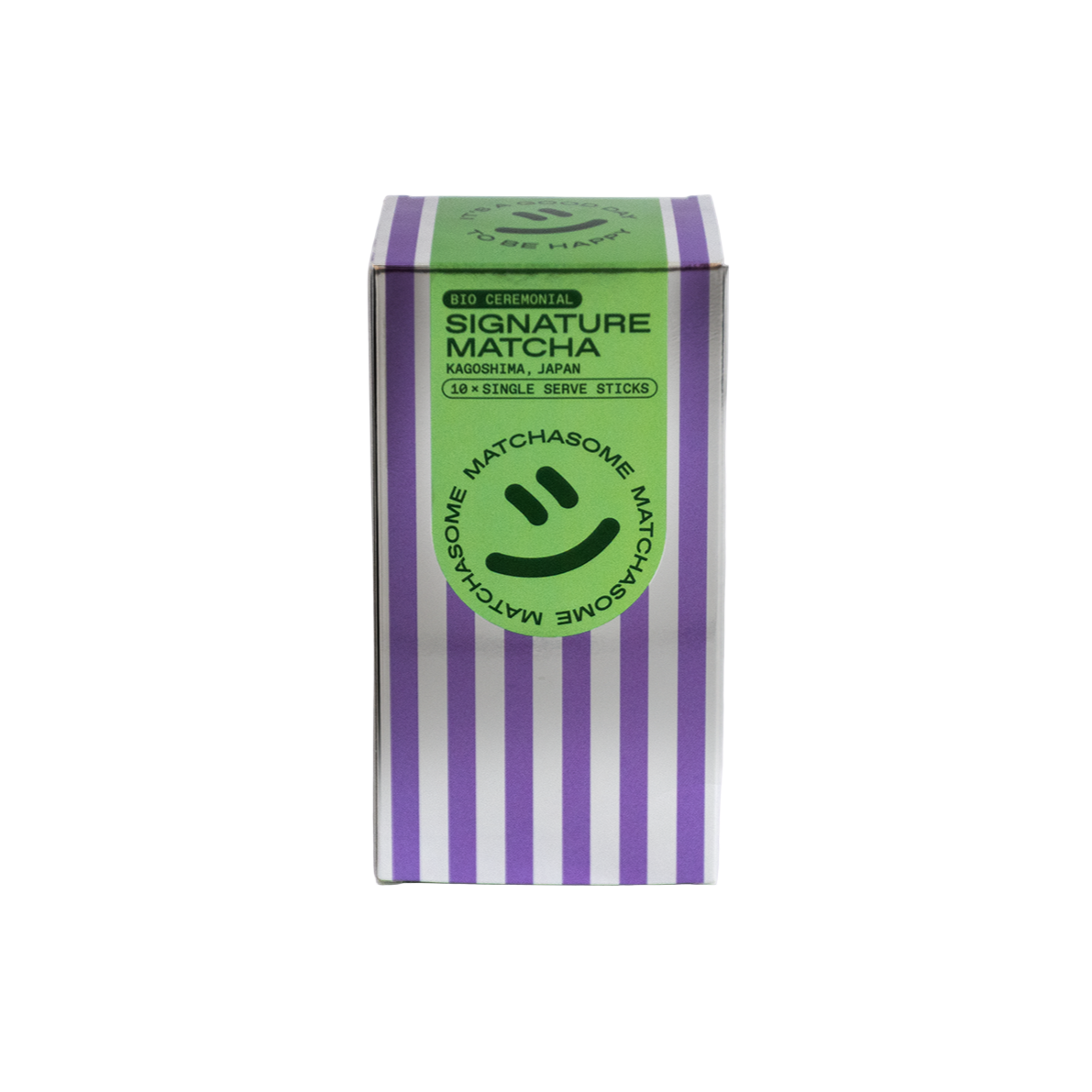
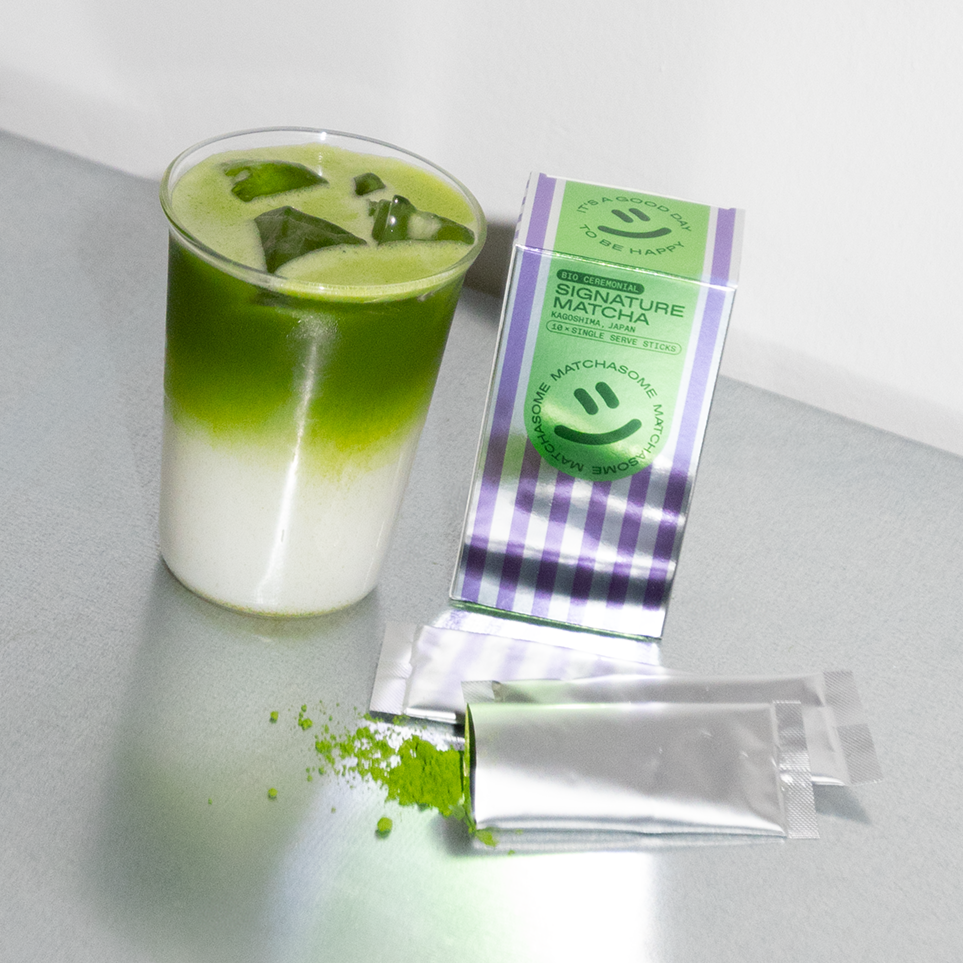
Organic Ceremonial Matcha Single Serve Sticks 2g
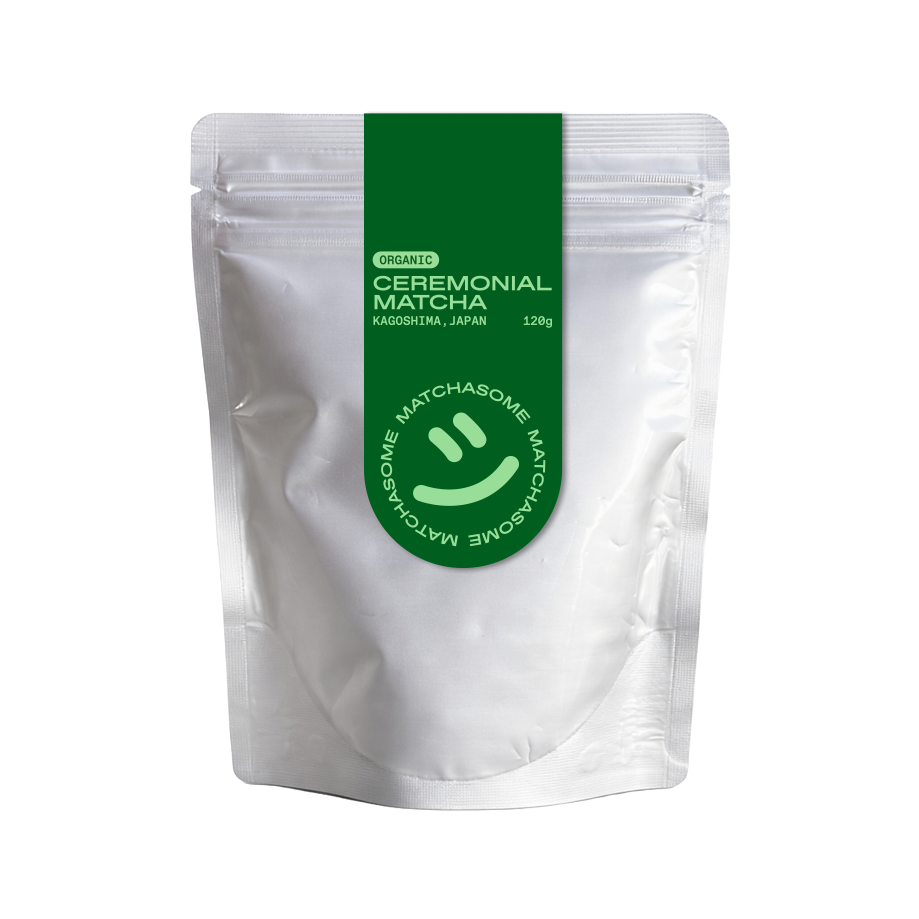
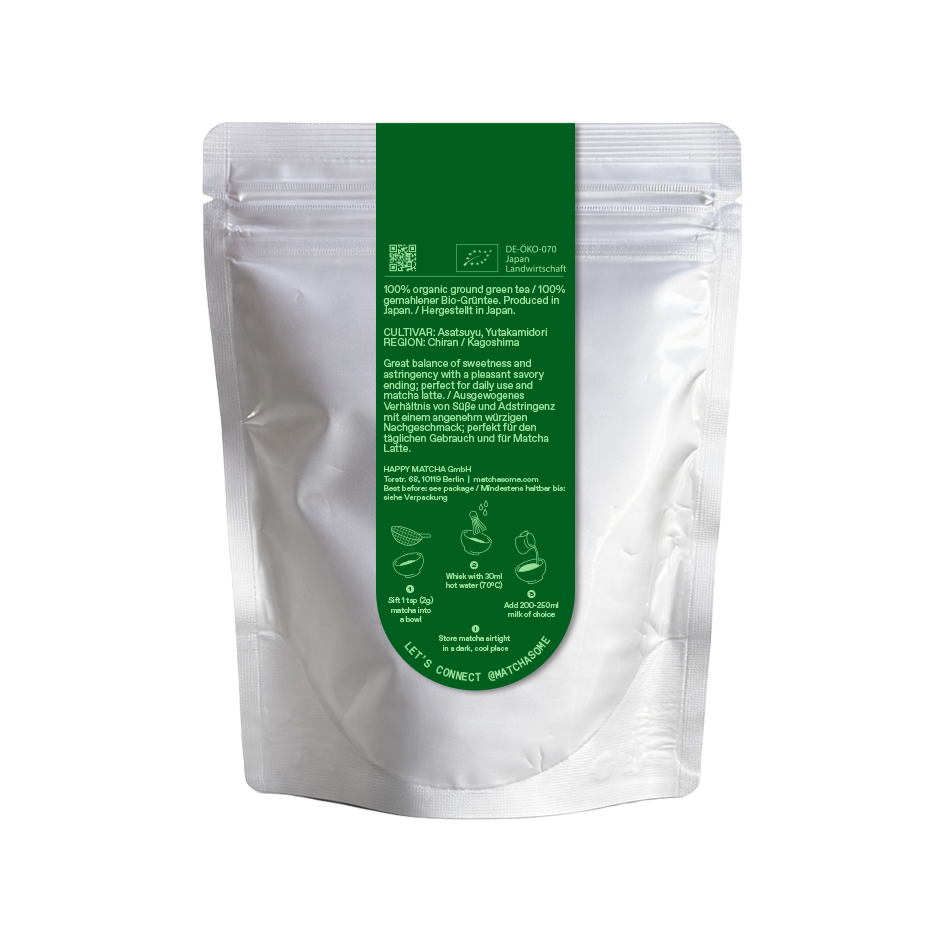
Organic Ceremonial Matcha 120g
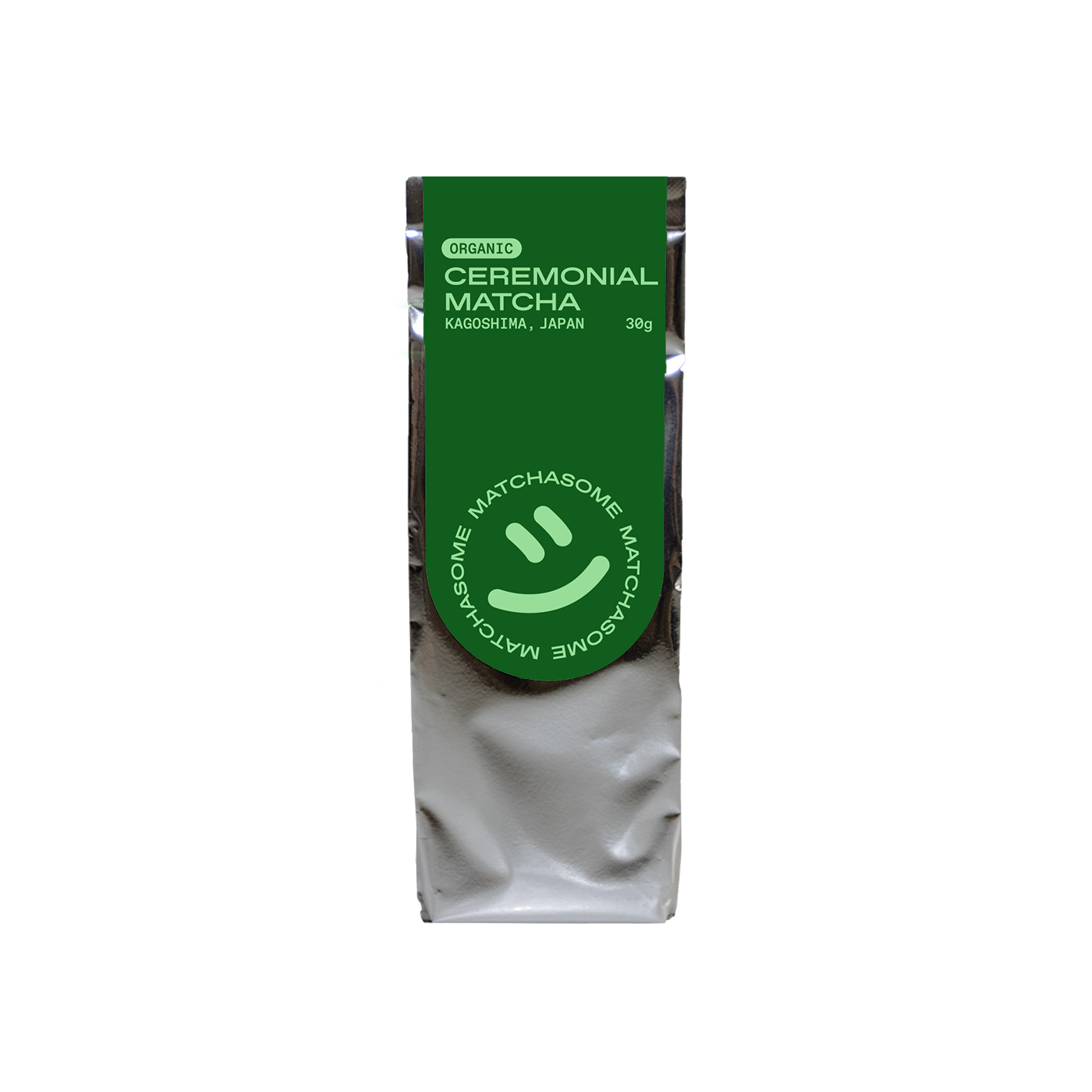
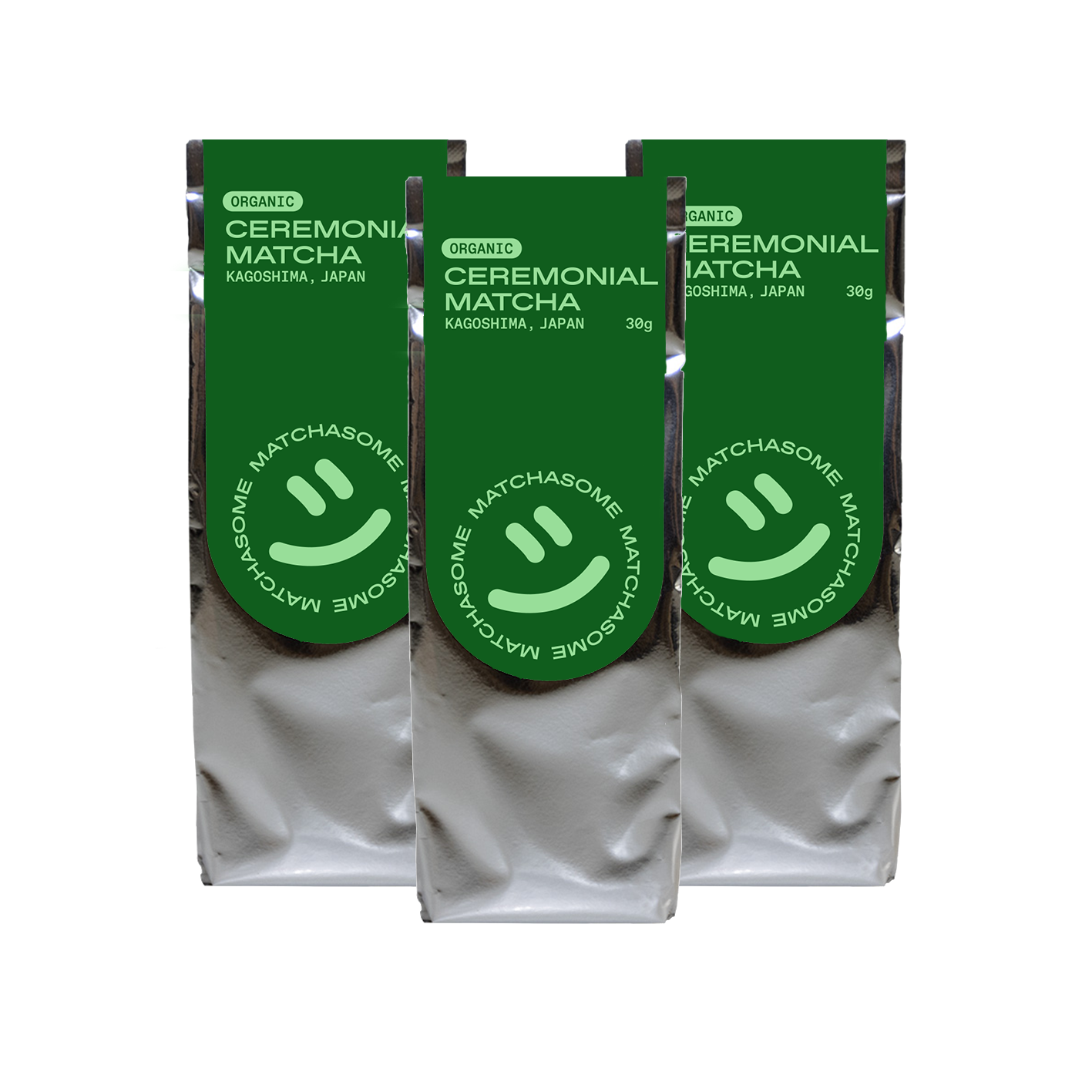
Organic Ceremonial Matcha Refill 30g
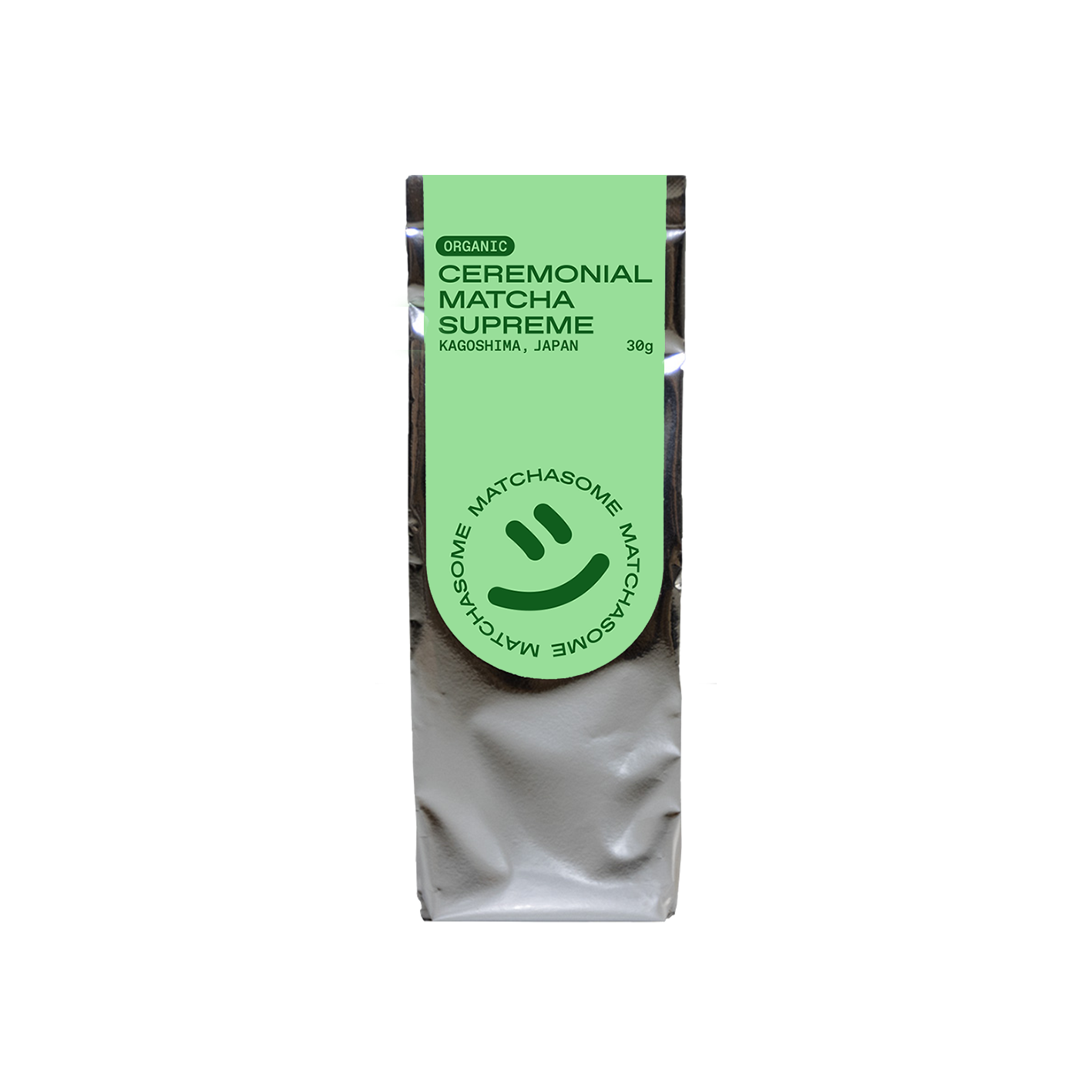
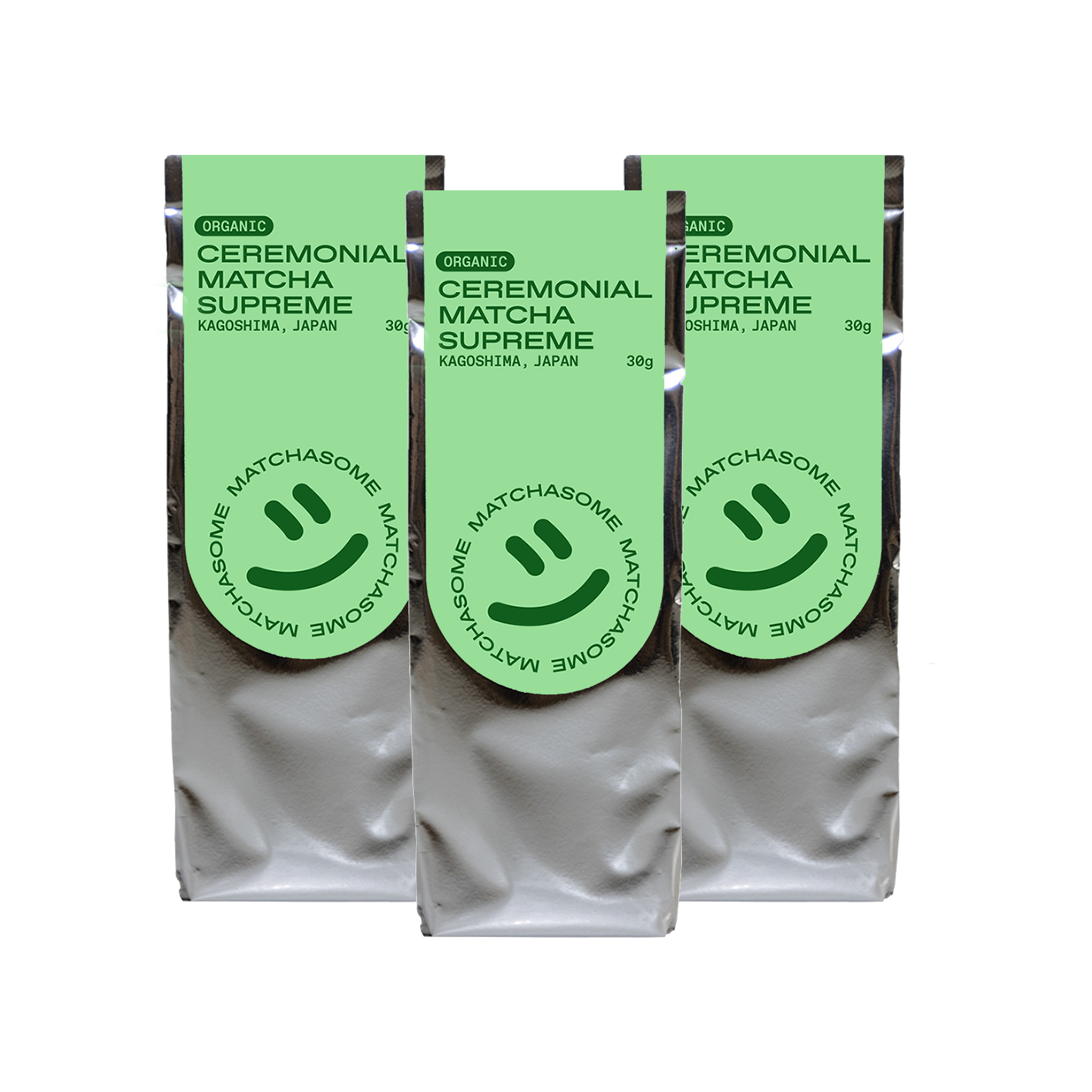
Organic Ceremonial Matcha Supreme Refill 30g
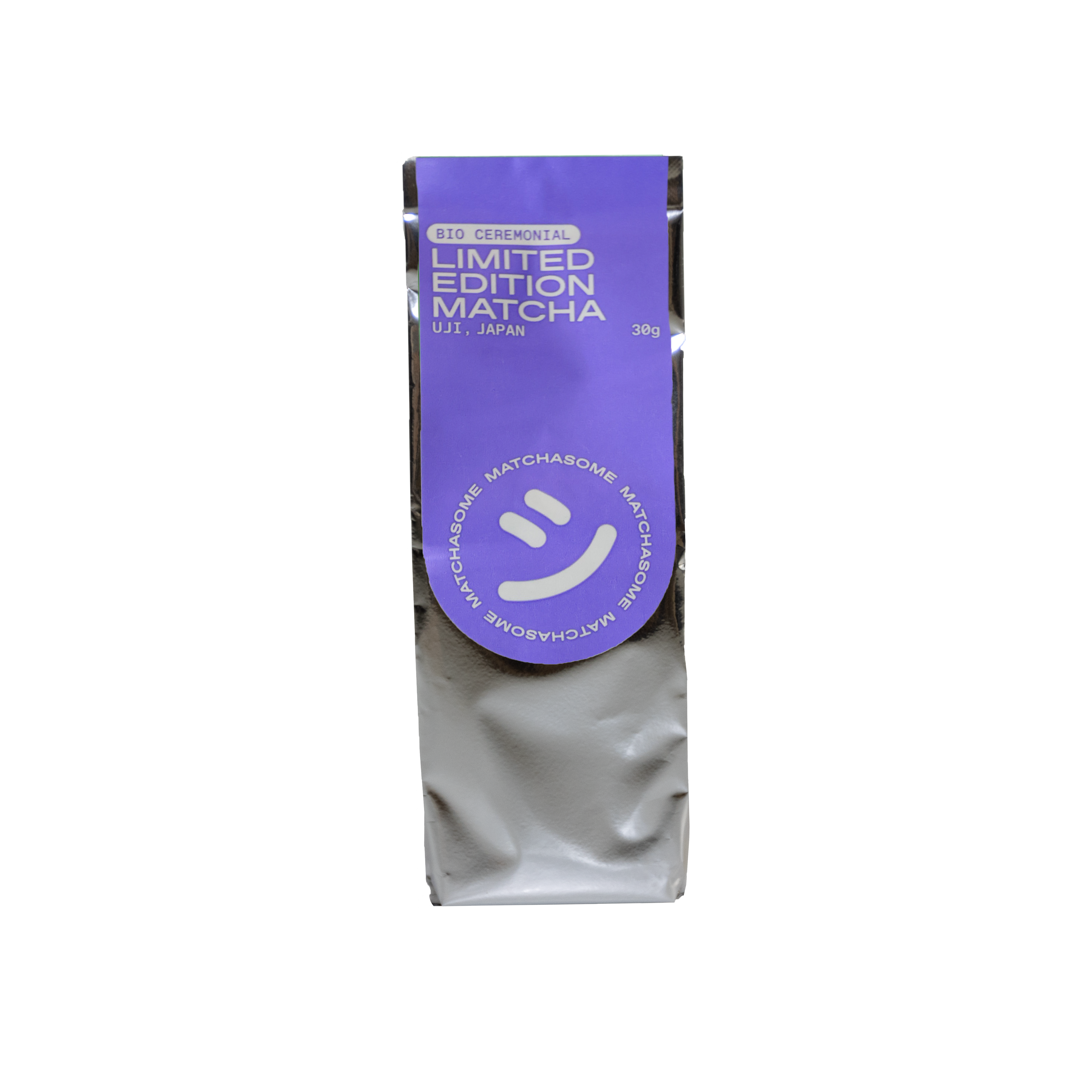
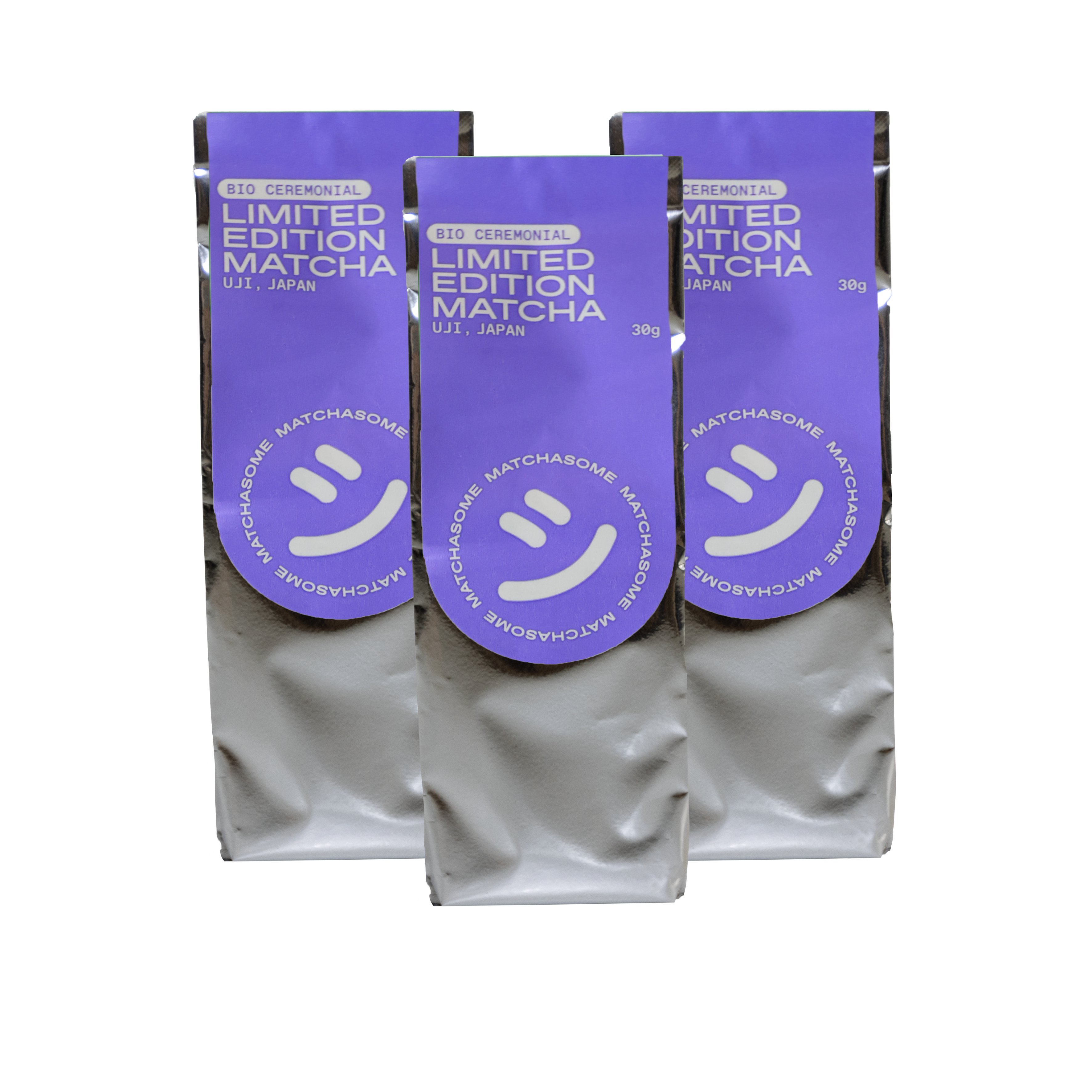
Organic Ceremonial Limited Edition Uji Matcha Refill 30g
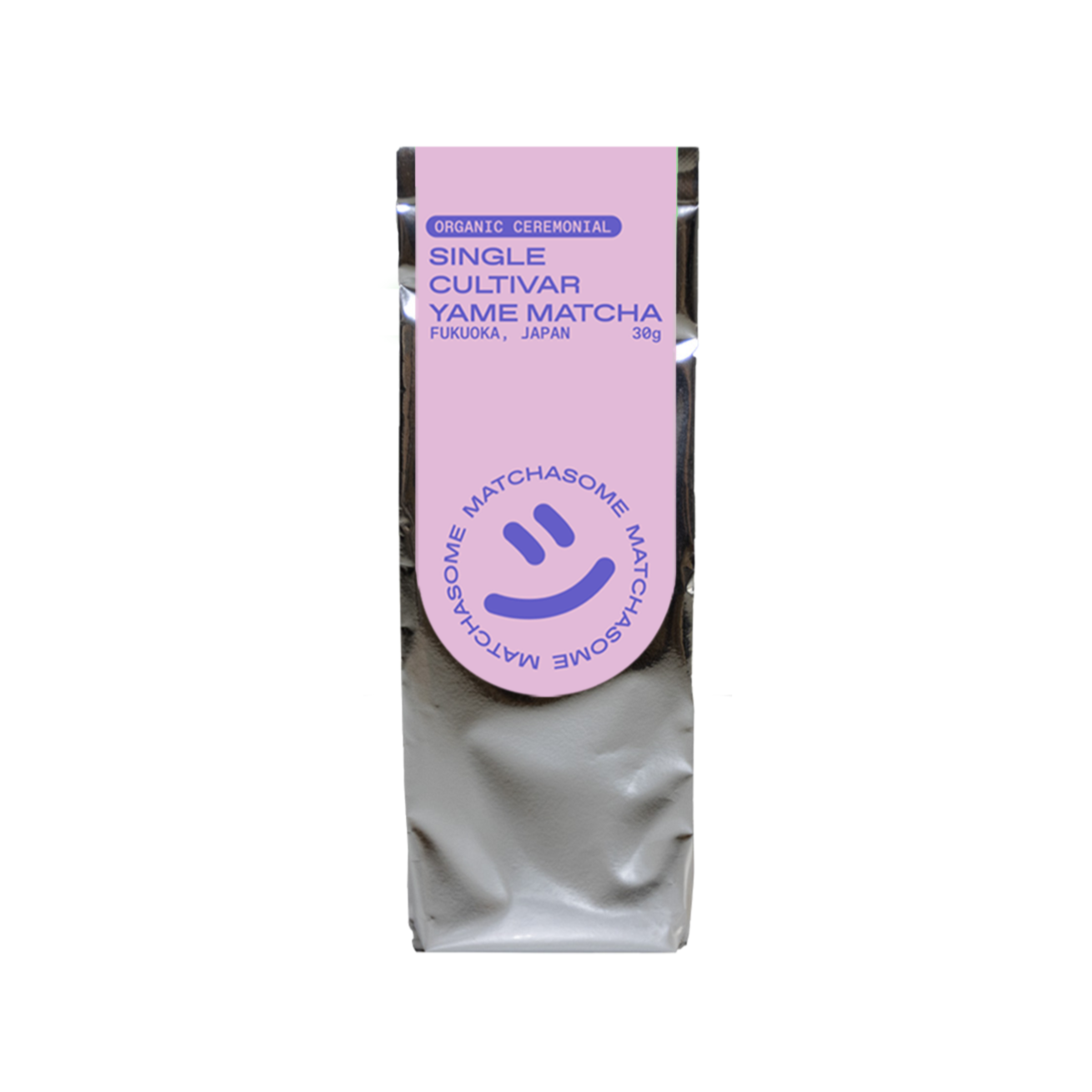
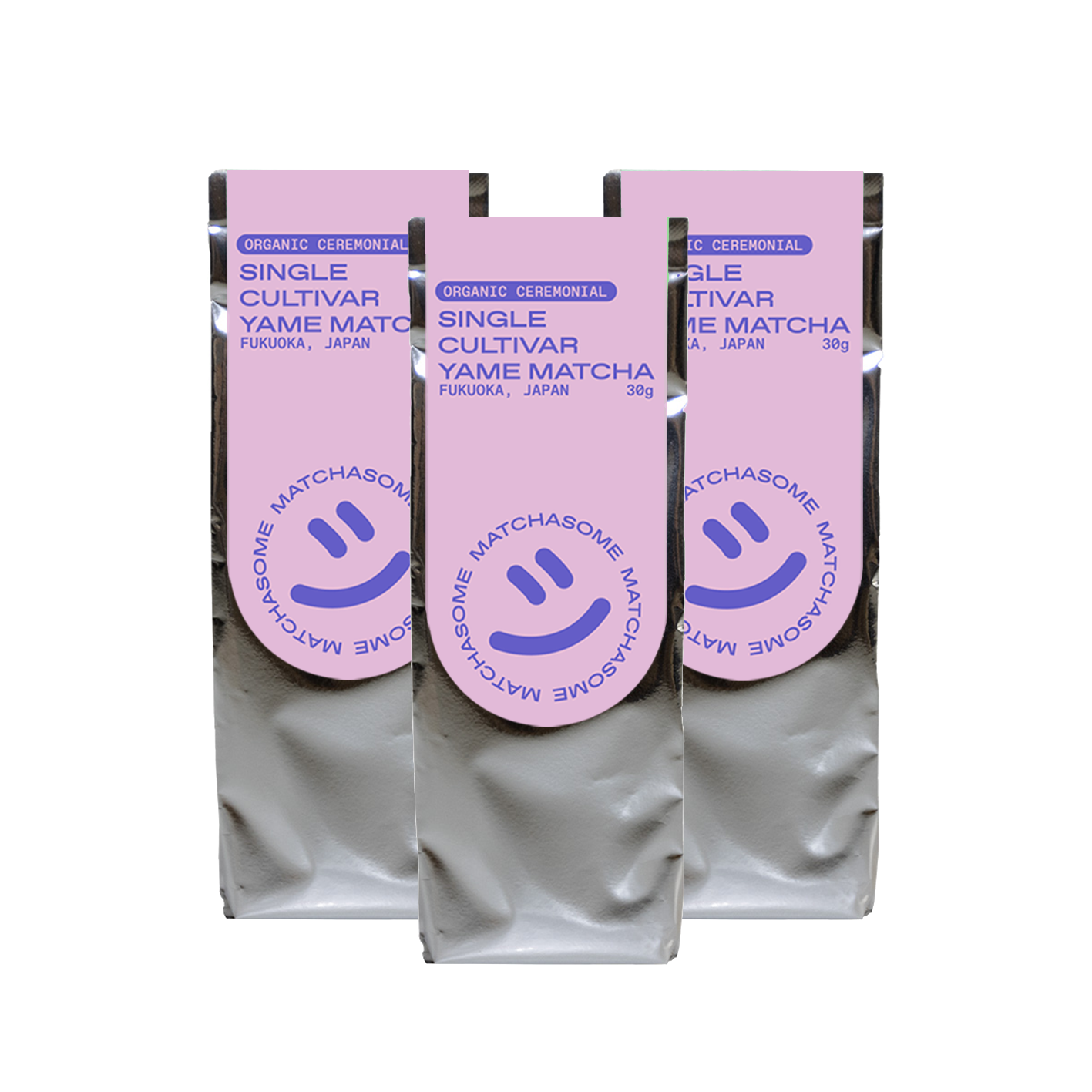
Organic Ceremonial Single Cultivar Yame Matcha Refill 30g
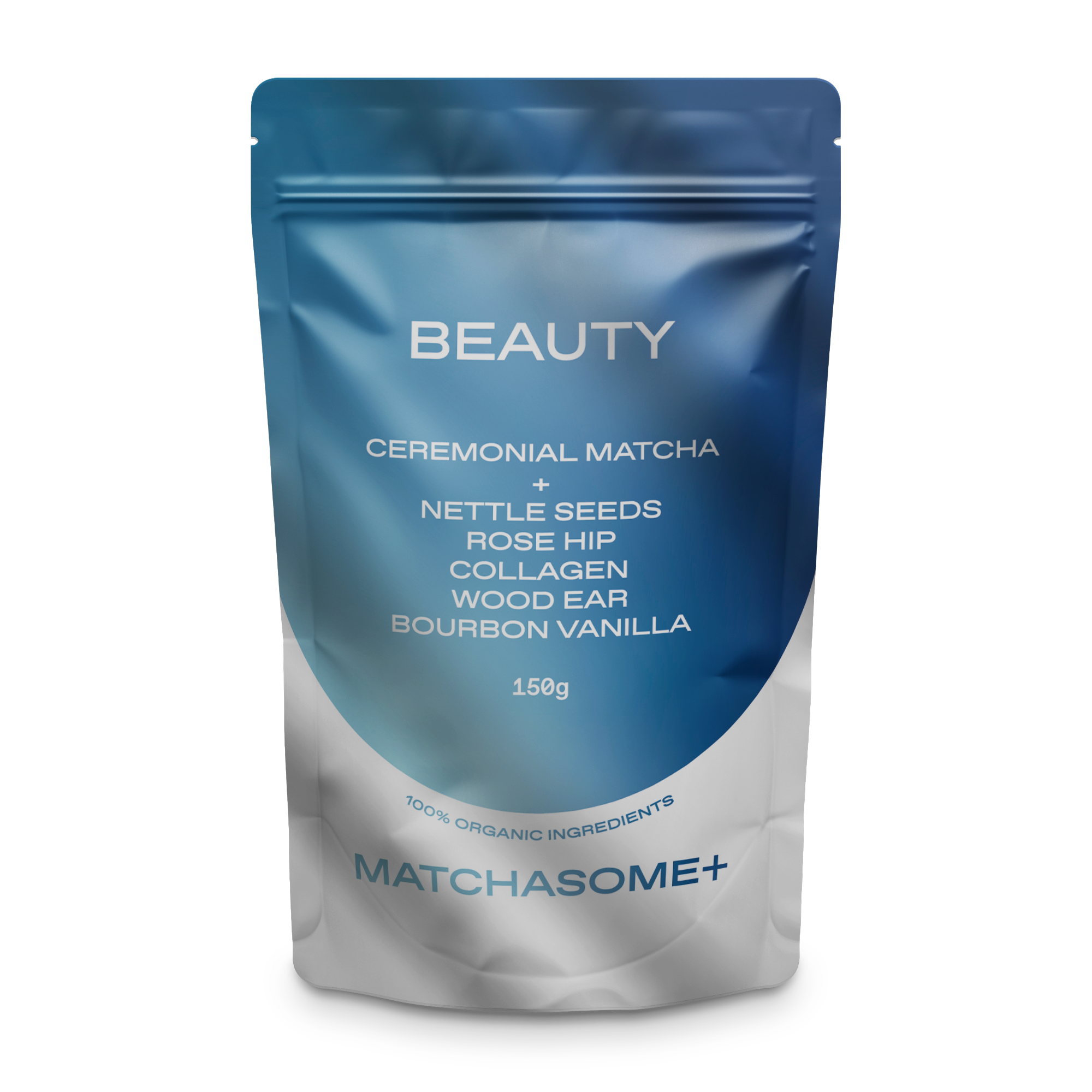
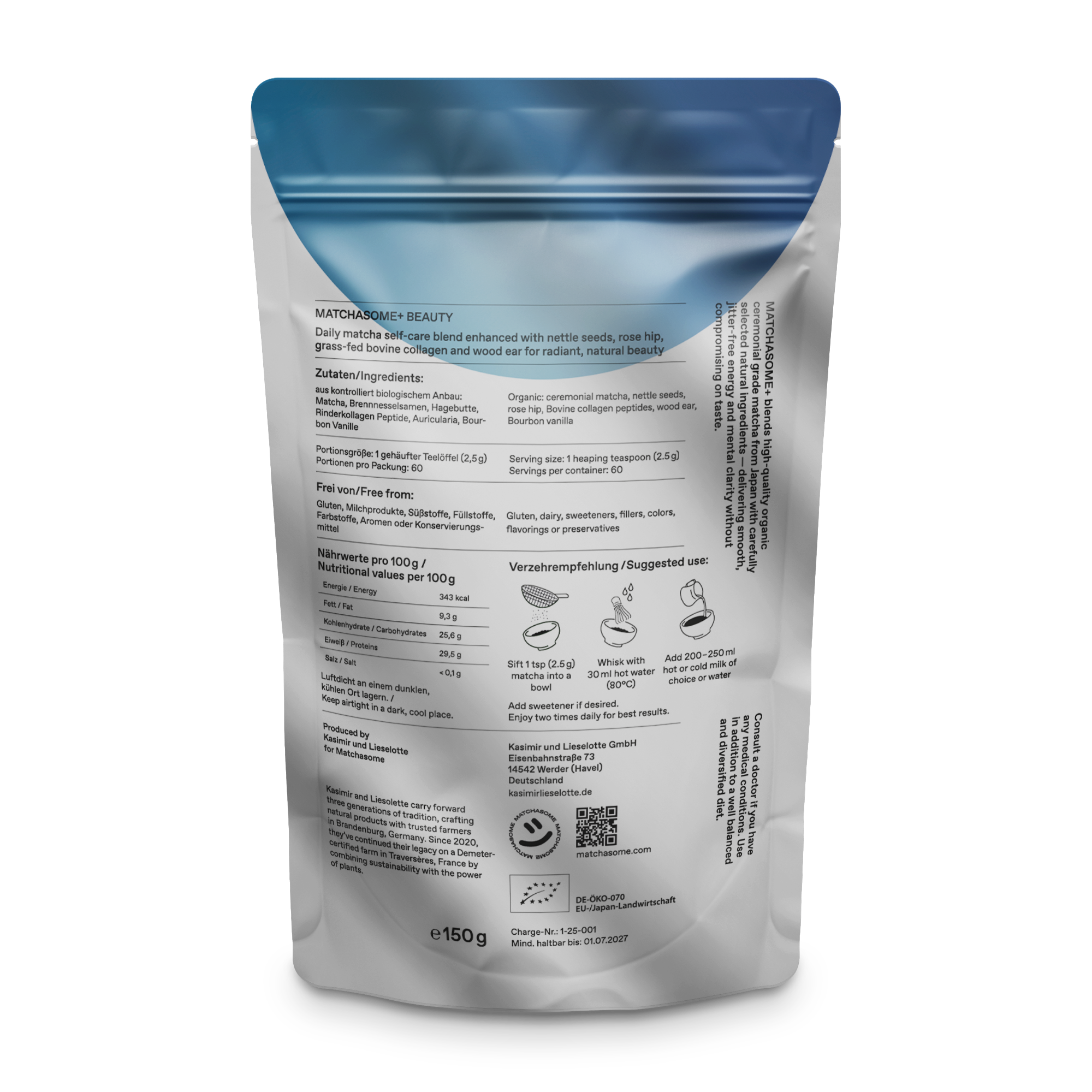
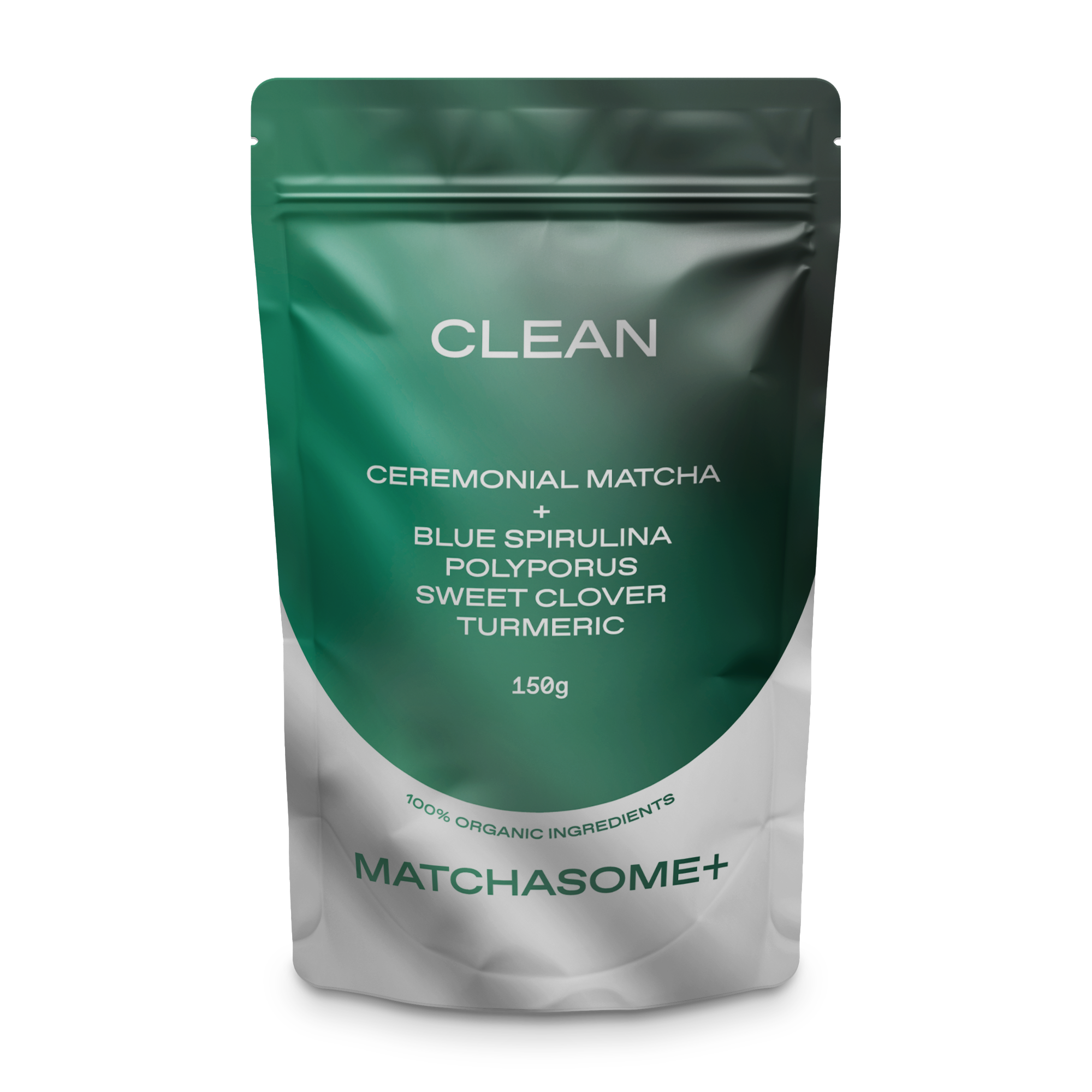
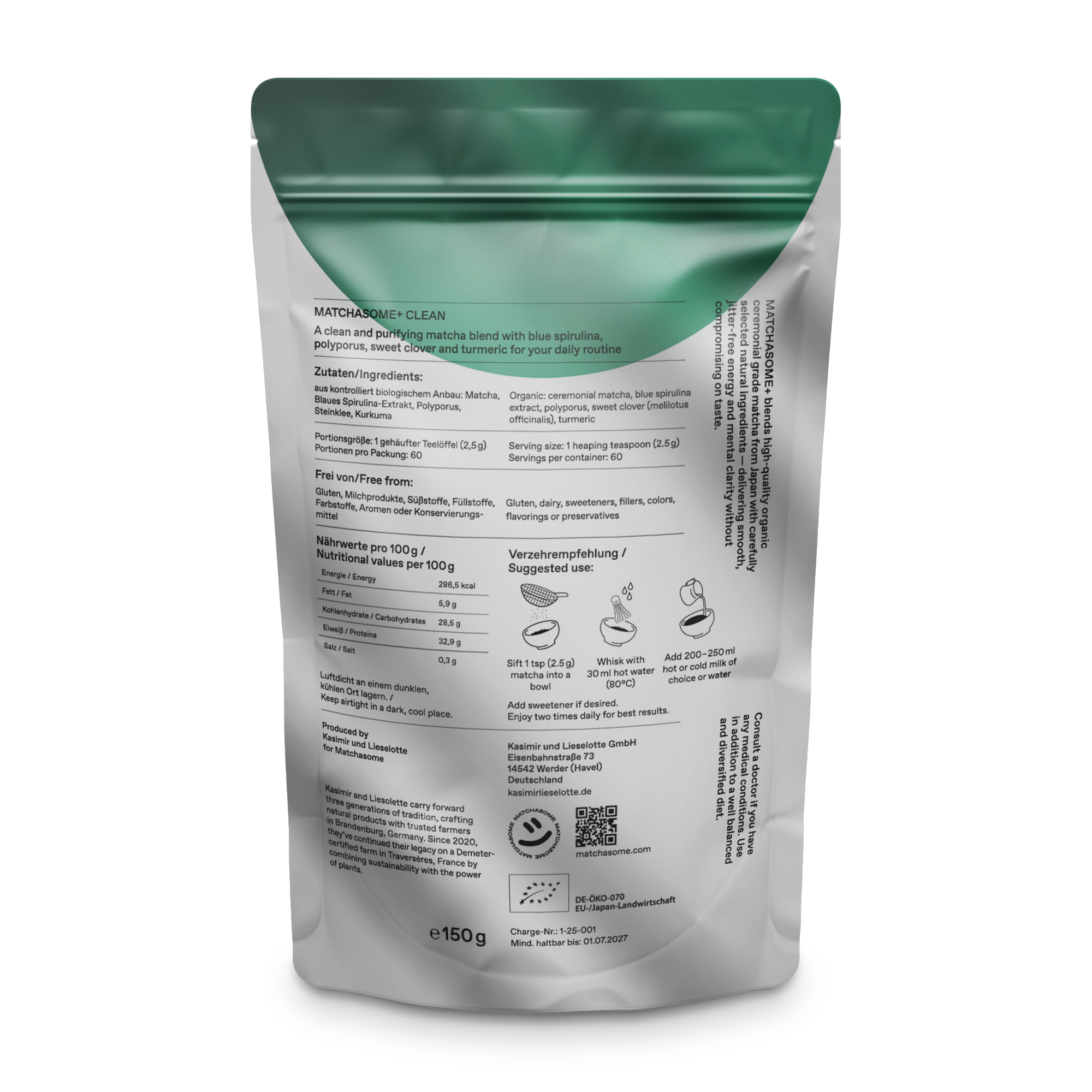
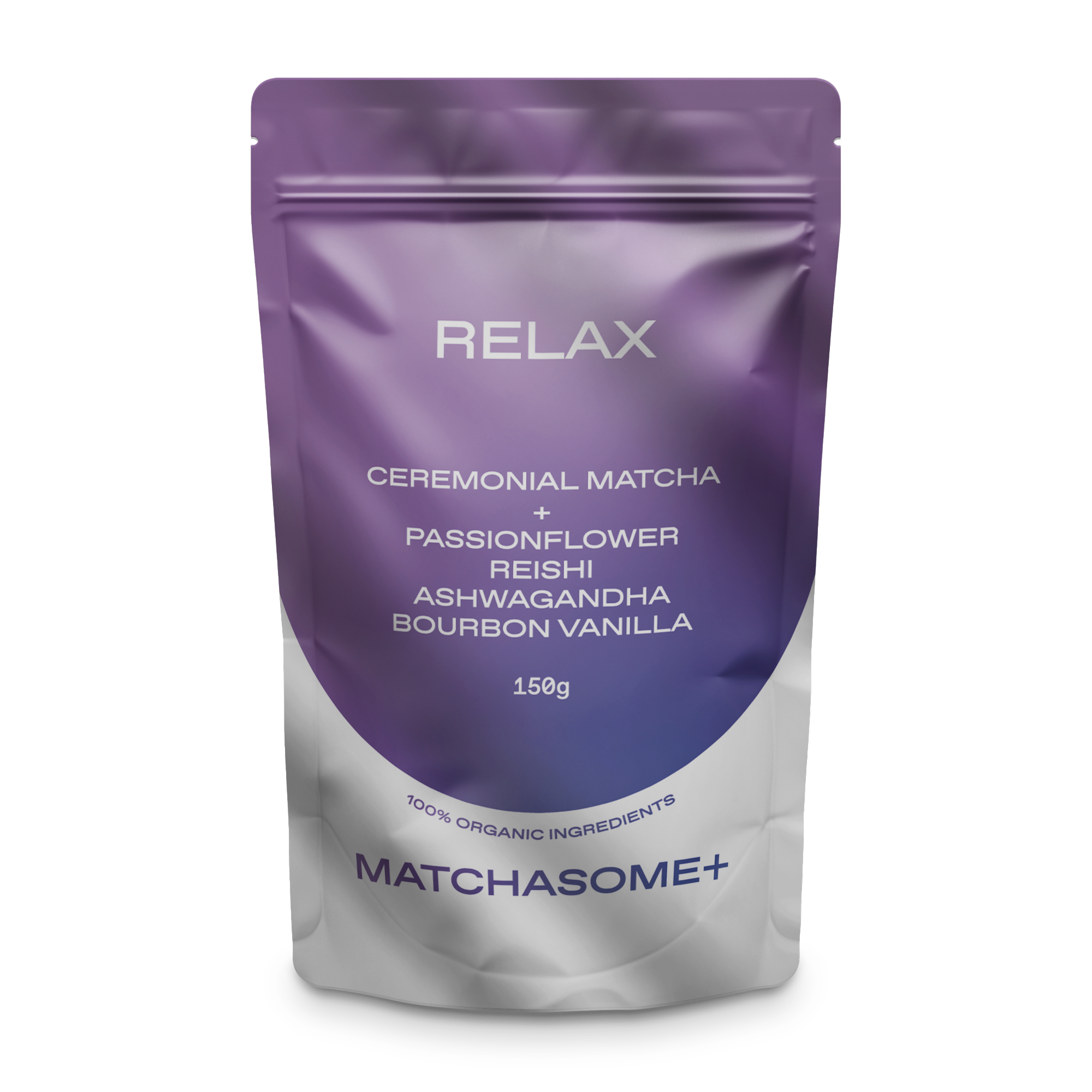
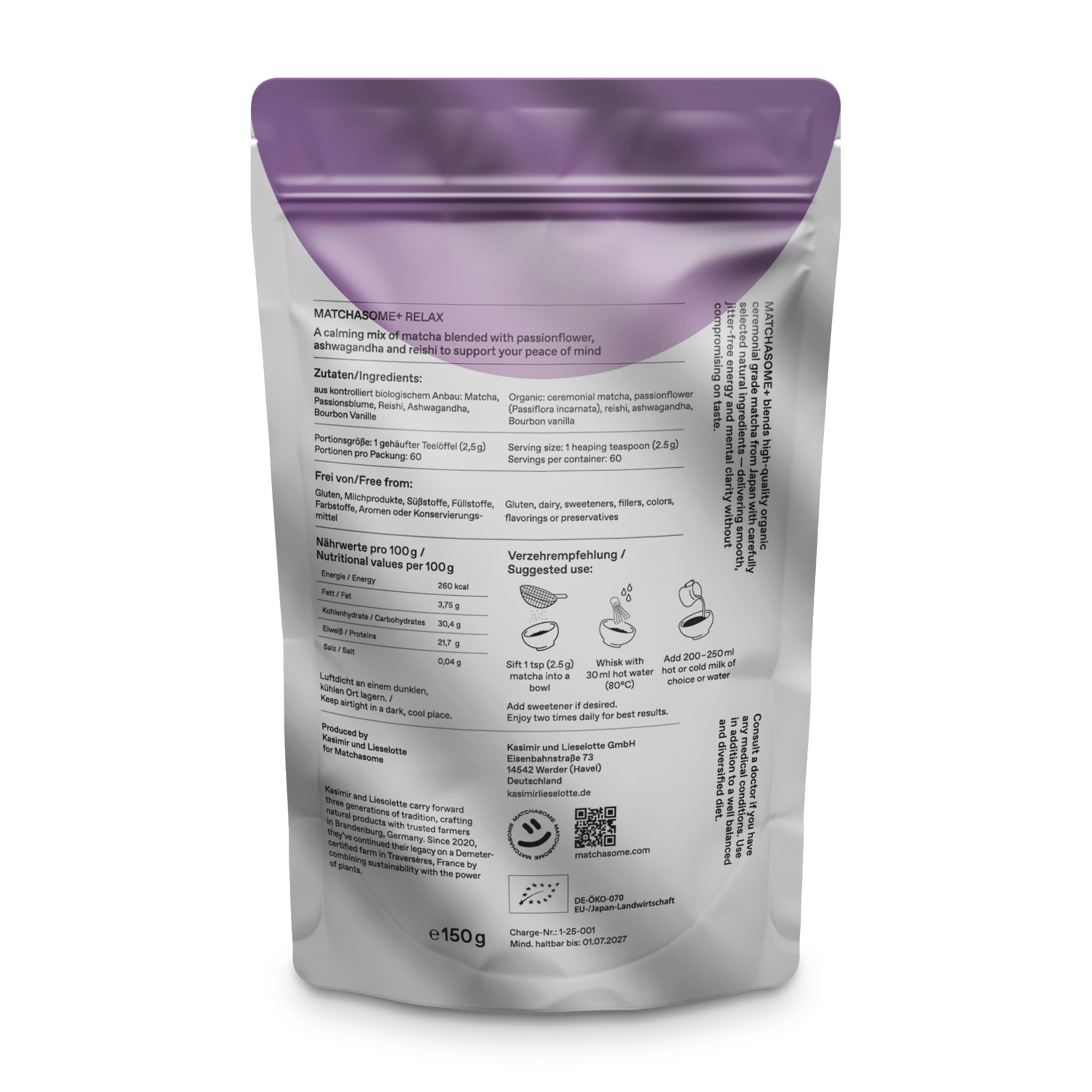
Matchasome+
MATCHASOME+ blends high-quality organic ceremonial grade matcha from Japan with carefully selected natural power ingredients — delivering smooth, jitter-free energy, mental clarity, and extra health boost without compromising on taste.
Flavoured Matcha
Discover our flavored matcha varieties and experience a new dimension of matcha enjoyment. Each blend is carefully crafted with natural flavors to give you a unique taste experience.
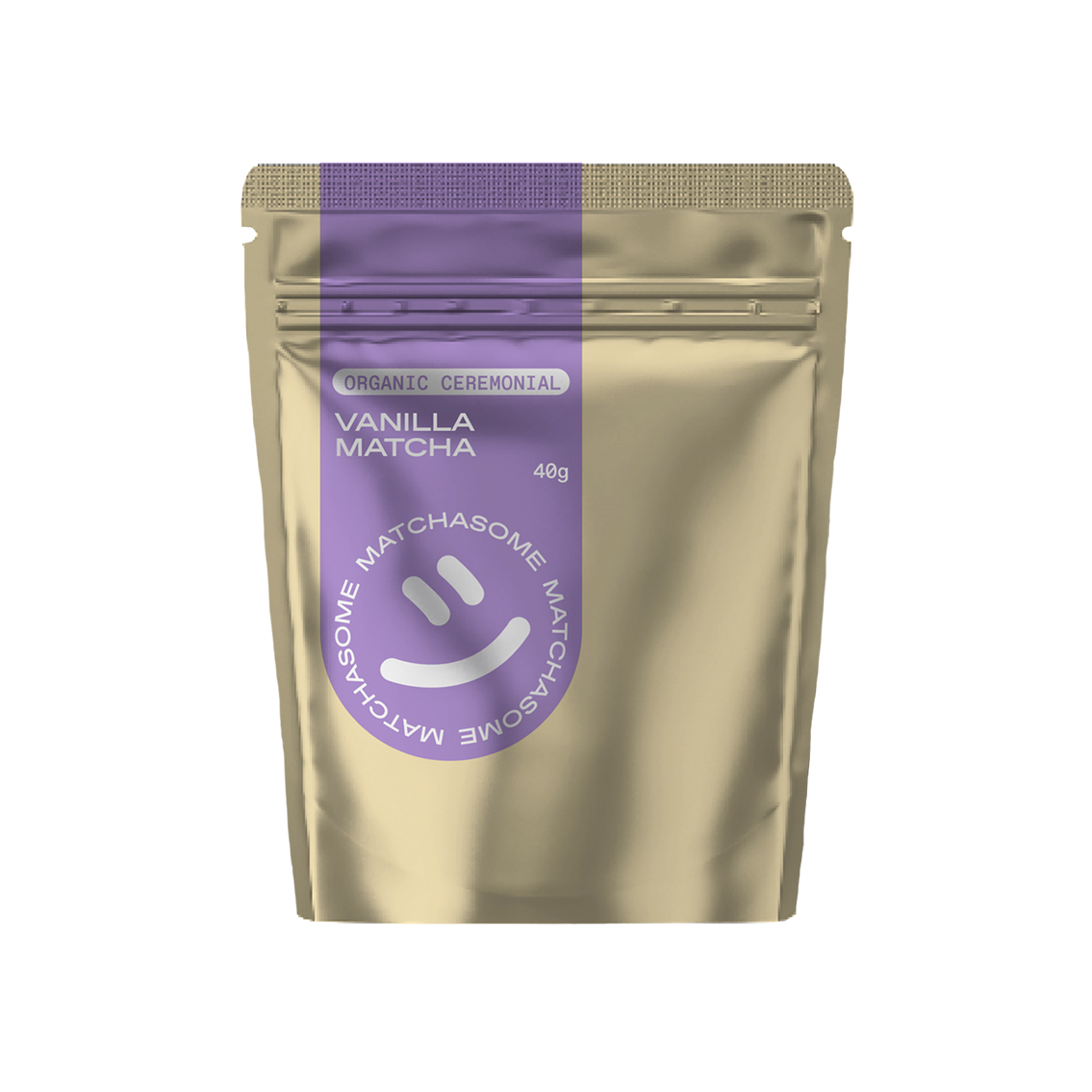
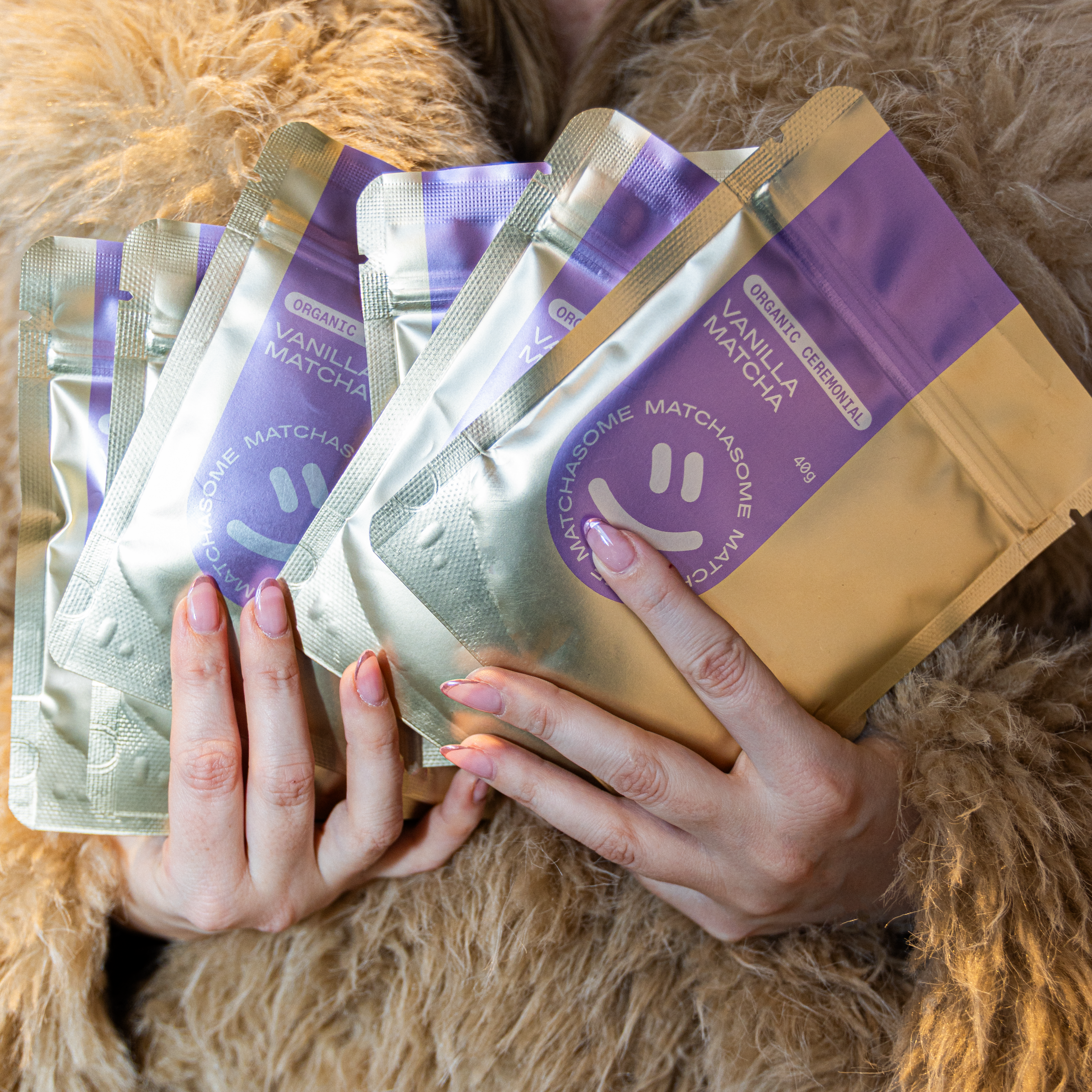
Organic Ceremonial Vanilla Matcha 40g
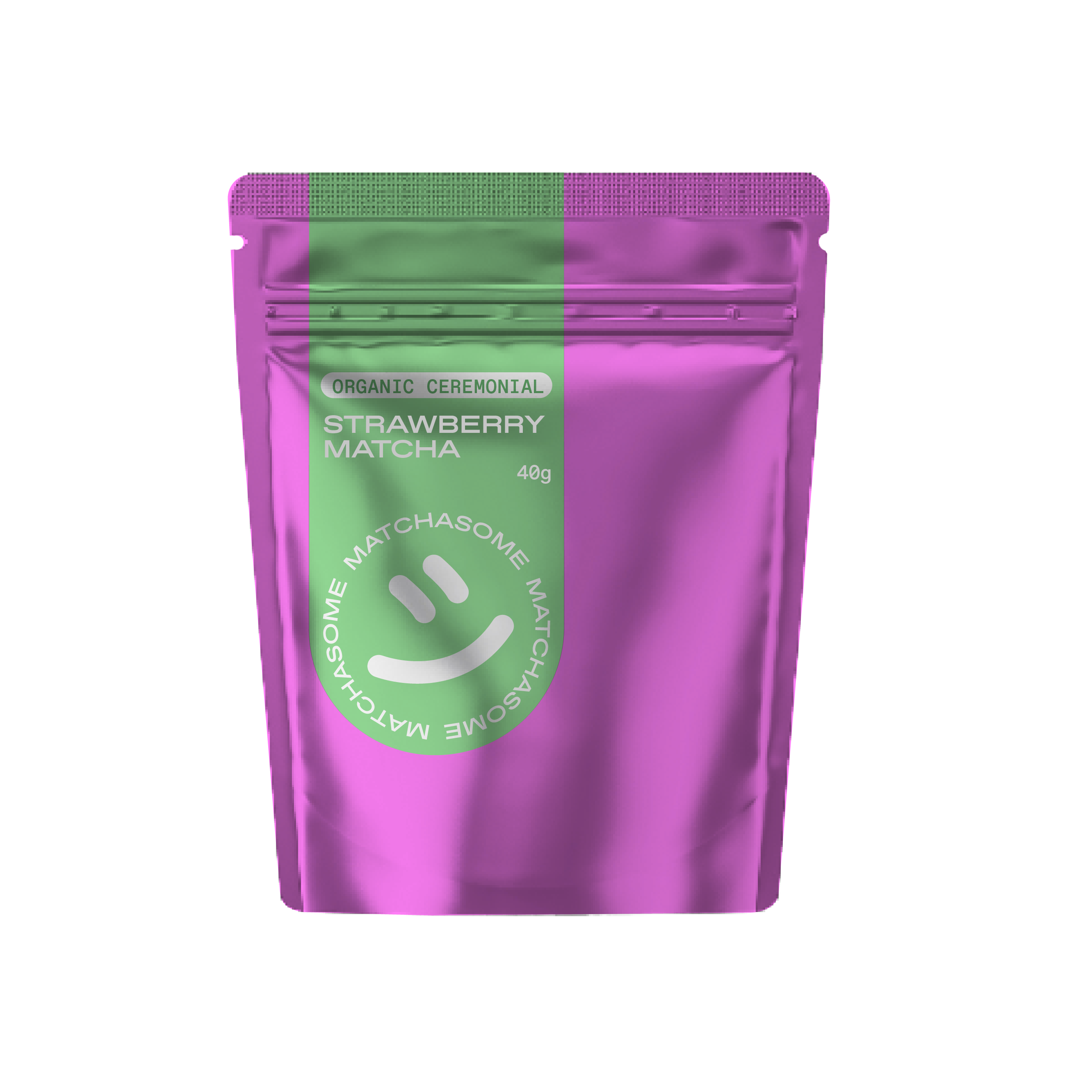
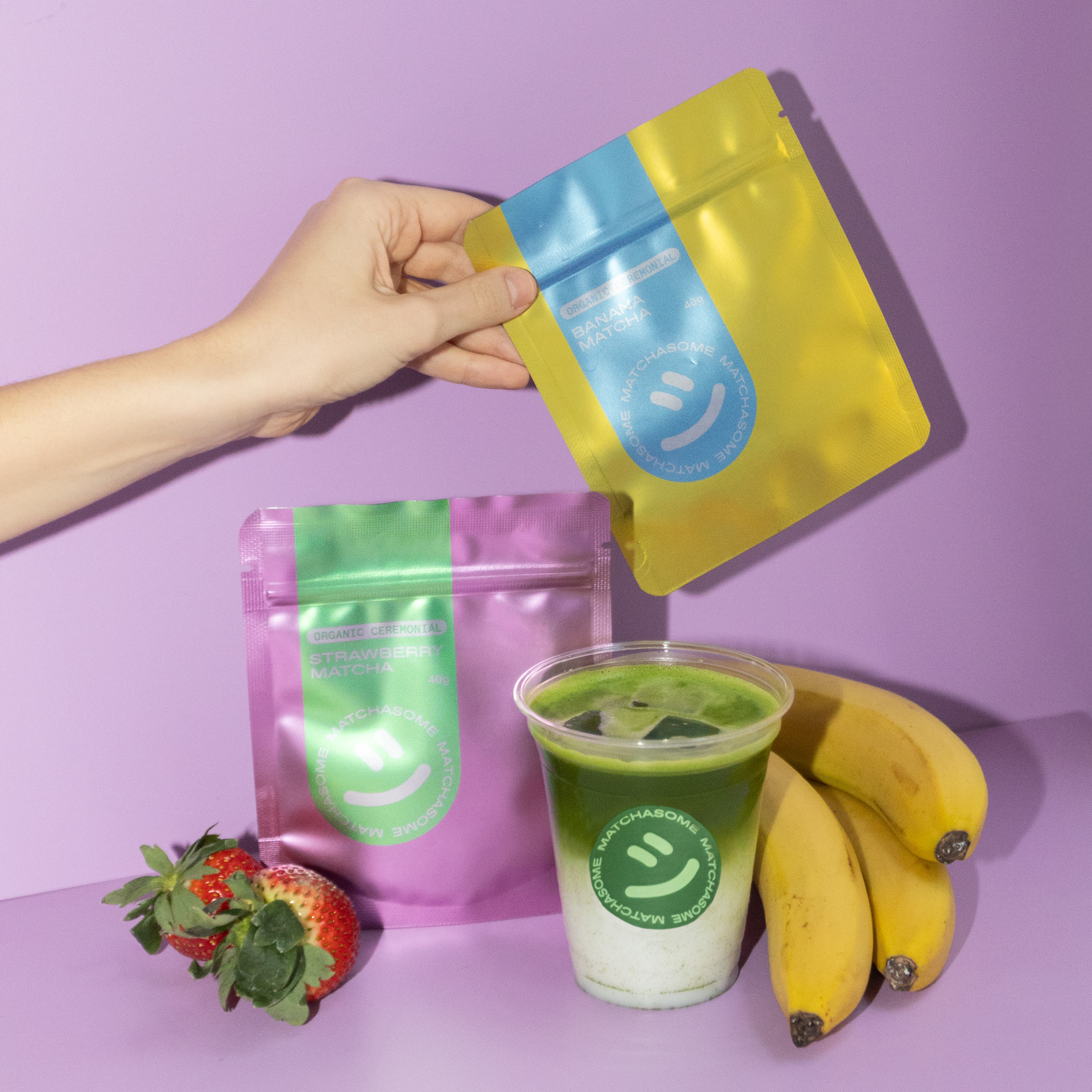
Organic Ceremonial Strawberry Matcha 40g
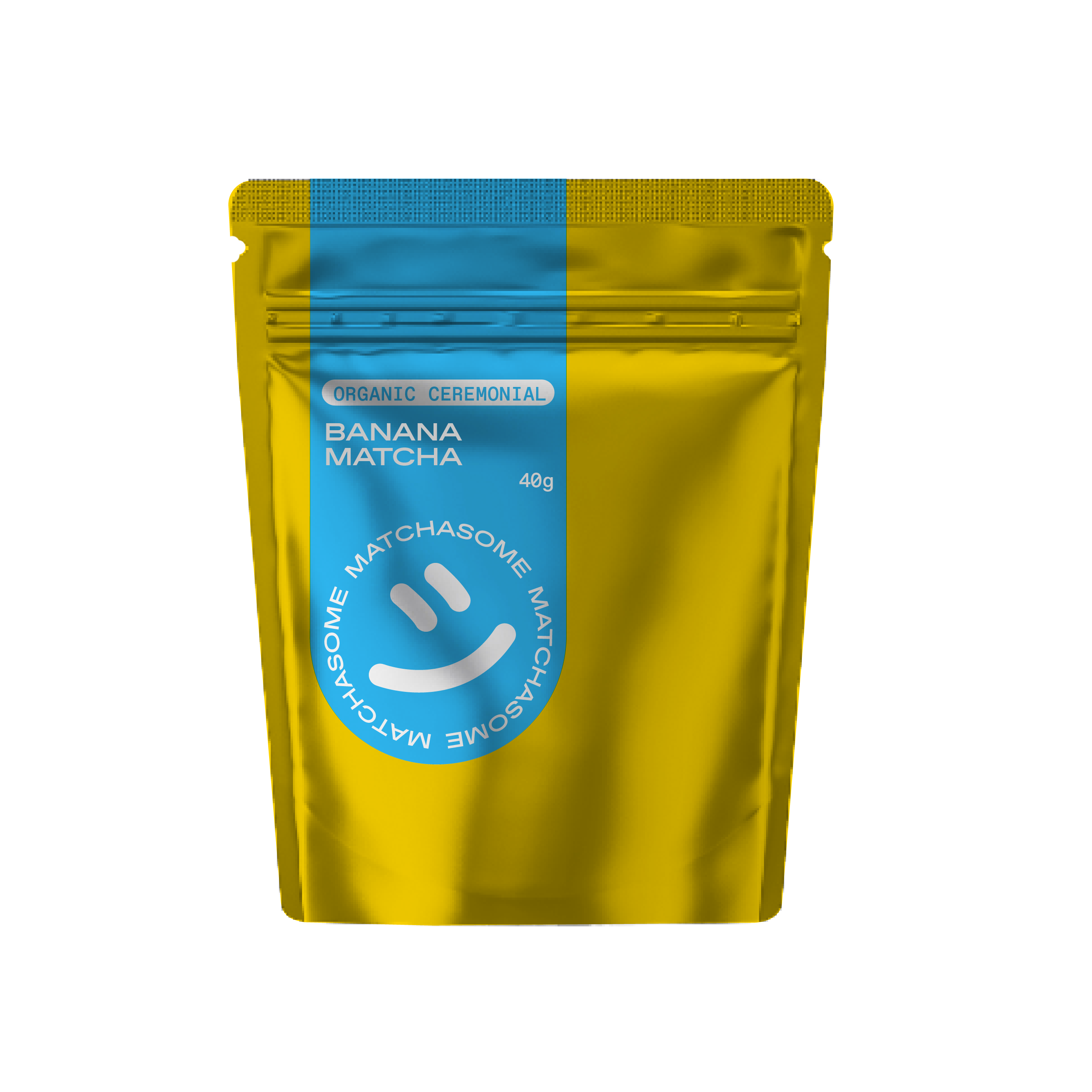
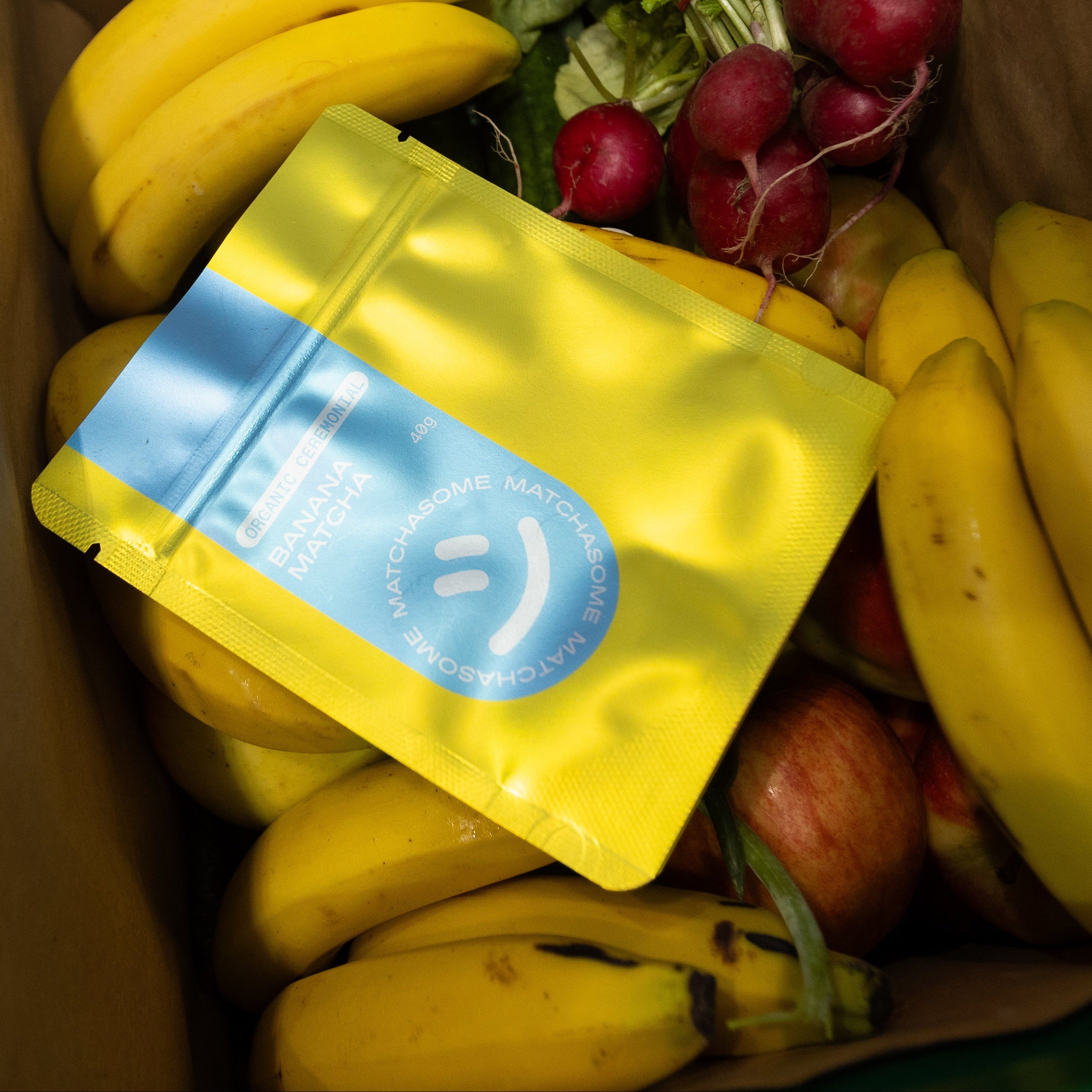
Organic Ceremonial Banana Matcha 40g
FAQs
What is matcha?
Matcha is finely powdered green tea, made from leaves that have been shade-grown for the final three to four weeks before harvest, then steamed, dried, de-stemmed, de-veined, and slowly stone-milled into a fine emerald powder. Unlike steeped teas, matcha is whisked directly into water and consumed in its entirety, so a single serving carries the full flavour, colour, and nutrition of the leaf. It has been at the heart of Japanese tea culture for more than 800 years.
What's the difference between ceremonial and culinary grade?
Ceremonial grade generally refers to matcha made from the youngest spring leaves of the first harvest — prized for its natural sweetness and silken texture, and of a quality fine enough to be whisked with water alone, as tea masters do in traditional ceremonies. Culinary grade comes from later harvests and is crafted to hold its character against milk, sugar, and heat — ideal for baking, cooking, and confections. (No official grading system exists in Japan, so the terms are guidance rather than law.)
Why are some matcha so much more expensive than others?
Not all matcha are created equal. The most prized comes from the first spring harvest, when flavour and amino acids are at their peak. Cultivar matters too: rarer varieties such as Okumidori are far less available than common ones like Yabukita, and the price reflects it. Terrain plays its part as well — the finest tea is often grown on mountainous slopes where machinery cannot reach, making the harvest entirely labour-intensive. These are some of the reasons fine matcha costs what it does.
How should I prepare my matcha?
Sift around 2–3 g (roughly a teaspoon) into a bowl. Add around 40 ml of water at 75°C / 170°F and whisk briskly in a W motion with a chasen until a fine, even foam rises to the surface. For usucha, top with additional water; for a latte, add steamed milk of your choosing; for an iced latte, pour milk into a glass with ice cubes and top off with the matcha shot.
Is your matcha tested for purity?
Yes. Our farms are JAS organic certified, and every harvest is third-party tested in Germany for heavy metals, pesticide, and fungicide residue. Results are available on request.
More questions about matcha?